


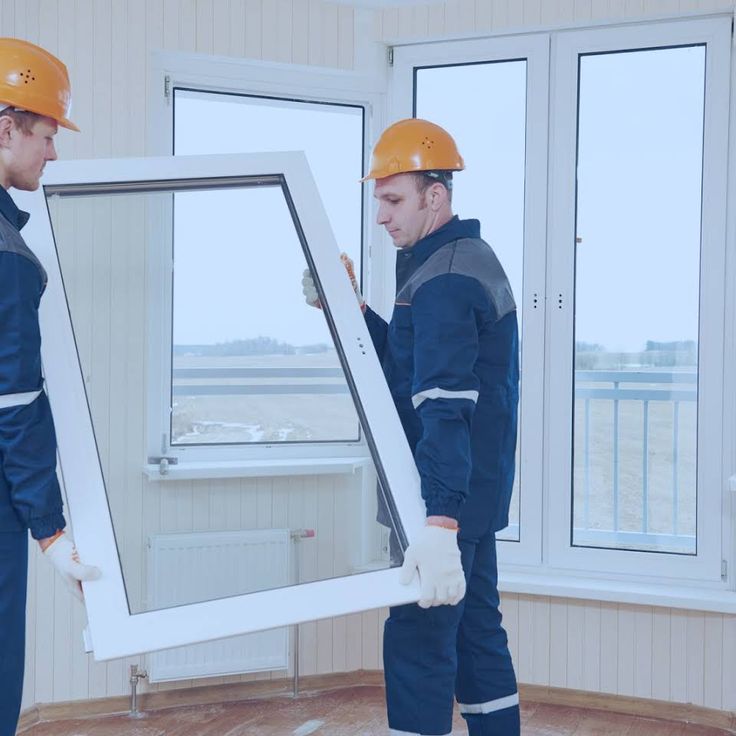
Drafty windows are more than a nuisance—they can significantly impact your home’s comfort, energy efficiency, and utility costs. Proper sealing and installation are critical to ensuring that windows perform as intended. By addressing common problem areas and following best marvin windows pittsburgh practices, homeowners can prevent air leaks, reduce energy consumption, and maintain a comfortable living environment year-round.
Contents
ToggleThe Importance of Proper Sealing
Windows are a primary point of heat loss or gain in a home. Even small gaps can lead to:
-
Increased heating and cooling costs
-
Uneven indoor temperatures
-
Moisture intrusion and potential mold growth
-
Reduced lifespan of HVAC systems
Effective sealing is therefore essential for both energy efficiency and long-term durability.
Key Factors for Proper Sealing
1. Accurate Measurement and Fit
-
Windows must fit snugly within the rough opening.
-
Oversized gaps require excessive caulking or insulation, which can compromise performance over time.
-
Professional measurement or careful DIY assessment ensures the correct window size.
2. Use of High-Quality Weatherstripping
-
Weatherstripping along sashes and frames prevents air leaks around movable parts.
-
Options include foam tape, V-strip, and rubber gaskets—each suited to different window types.
-
Regular inspection and replacement of worn weatherstripping maintain efficiency.
3. Flashing and Barrier Installation
-
Flashing diverts water away from window openings and prevents leaks.
-
Properly installed house wrap and moisture barriers around the window frame protect walls and insulation from water damage.
4. Caulking and Sealants
-
Exterior caulking fills gaps between the frame and wall to prevent drafts and water intrusion.
-
Interior caulking addresses minor gaps and reduces air movement into the home.
-
Use high-quality, weather-resistant caulk appropriate for your climate and window material.
5. Insulating Gaps
-
Low-expansion spray foam or backer rods can fill spaces between the window frame and wall without bowing the frame.
-
Overfilling with high-expansion foam can warp windows and affect operation.
6. Proper Sill and Drainage Design
-
The window sill should direct water away from the home.
-
Ensure weep holes are unobstructed to allow drainage and prevent moisture buildup.
7. Material Selection
-
Vinyl, fiberglass, and wood-clad frames have different expansion and contraction properties.
-
Choose materials compatible with your climate and ensure sealing methods accommodate natural movement.
Benefits of Properly Sealed Windows
-
Energy Efficiency: Well-sealed windows reduce heating and cooling costs, sometimes by up to 25%.
-
Comfort: Eliminates cold drafts and hot spots, providing consistent indoor temperatures.
-
Durability: Prevents moisture damage, rot, and frame warping.
-
Noise Reduction: Proper sealing blocks outdoor noise more effectively.
-
Increased Home Value: Energy-efficient windows with professional sealing enhance property appeal.
Best Practices for Installation
-
Hire Professionals if Needed: Complex or large-scale installations benefit from certified installers who understand proper sealing techniques.
-
Inspect Regularly: Check seals, caulking, and weatherstripping annually for wear or gaps.
-
Use the Right Tools: Caulking guns, utility knives, and levels ensure precise sealing.
-
Follow Manufacturer Guidelines: Sealants and insulation methods recommended by the window manufacturer optimize performance and warranty coverage.
-
Avoid Shortcuts: Proper sealing takes time, but cutting corners can lead to drafts, moisture problems, and reduced energy efficiency.
Conclusion
Proper sealing and energy-efficient installation are critical to maximizing the performance of your windows. Attention to detail—from accurate measurement and high-quality weatherstripping to correct insulation and caulking—prevents drafts, reduces energy costs, and protects your home from moisture damage. By investing in the right materials and installation practices, homeowners can enjoy a comfortable, efficient, and durable living environment year-round.
