


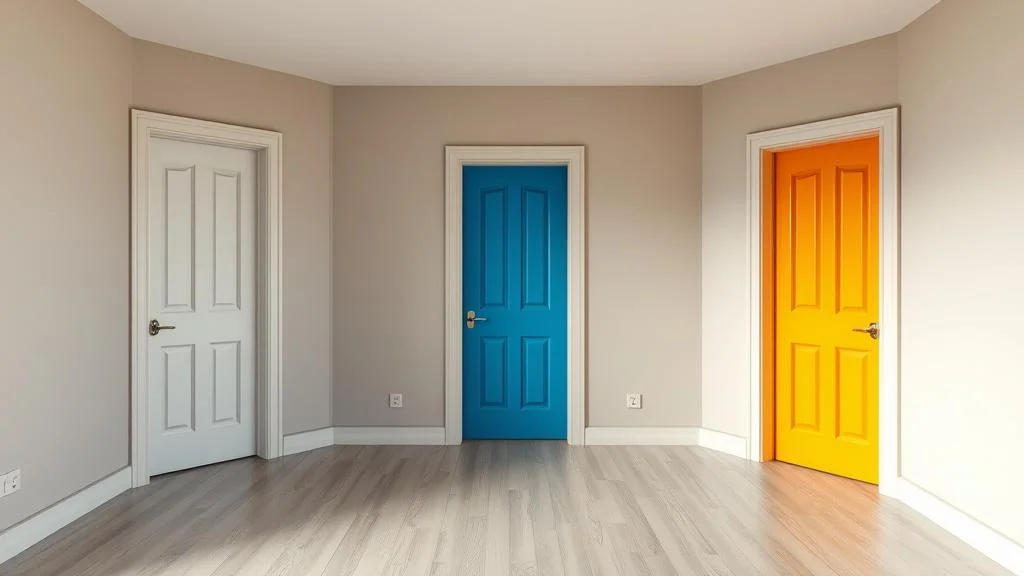
Choosing the perfect color for your interior doors is more than just an aesthetic decision—it can dramatically influence the overall feel and flow of your home. Whether you’re renovating, building a new space, or simply refreshing your interiors, selecting the right hue can create harmony, contrast, or even a statement in any room. This guide will help you make an informed choice, ensuring your doors complement your style perfectly.
Understand the Mood You Want to Create
Before selecting a color, consider the mood you want your space to convey. Lighter shades such as soft whites, creams, or pastels can make rooms feel open, airy, and inviting. Darker tones like navy, charcoal, or deep green bring a sense of sophistication and drama. If your goal is to make a bold statement, vibrant colors like rich reds or mustard yellows can turn interior doors into focal points.
Complement Your Existing Color Scheme
Interior doors should harmonize with the walls, trim, flooring, and furniture. For example, in a neutral-colored room, a contrasting door color can add interest and depth, while a matching tone can create a seamless, elegant look. Take swatches of your existing colors to an interior doors store to compare shades under different lighting conditions, ensuring your choice blends beautifully with the room’s overall palette.
Consider the Style of Your Home
The architectural style of your home also plays a key role in color selection. Traditional interiors often pair well with classic white, beige, or wood tones. Modern and contemporary spaces allow for more daring choices, such as matte black, slate gray, or bold primary colors. For eclectic interiors, consider playful or unexpected shades that reflect your personal taste and creativity.
Think About Finishes
The finish of your interior doors affects both the appearance and durability of the paint. Glossy finishes are easy to clean and create a polished, sophisticated look, ideal for high-traffic areas. Matte or satin finishes offer a subtle elegance, reducing glare and hiding minor imperfections. When visiting an interior doors store, ask about sample finishes to see how the color behaves on a full-sized door.
Use Color to Define Spaces
Interior doors can also help delineate spaces in your home. For instance, painting all bedroom doors the same calming color can create cohesion, while using a different shade for the office or pantry door adds definition and interest. This technique is particularly useful in open-plan homes, where doors can serve as visual anchors in larger spaces.
Test Before You Commit
Color can appear differently depending on lighting, room size, and surrounding decor. Always test a sample on your door or a large board before committing to a final color. Observe it at different times of day to see how natural and artificial light affect its appearance. An interior doors store can provide sample boards and professional guidance to ensure your choice looks perfect in your home.
Final Thoughts
Selecting the right color for your interior doors is a blend of creativity, style, and practicality. By considering the mood, existing color schemes, home style, finishes, and function, you can choose doors that not only enhance your interiors but also reflect your personality. With careful planning and expert advice from an interior doors store, your doors can transform from simple fixtures into beautiful design statements.
