


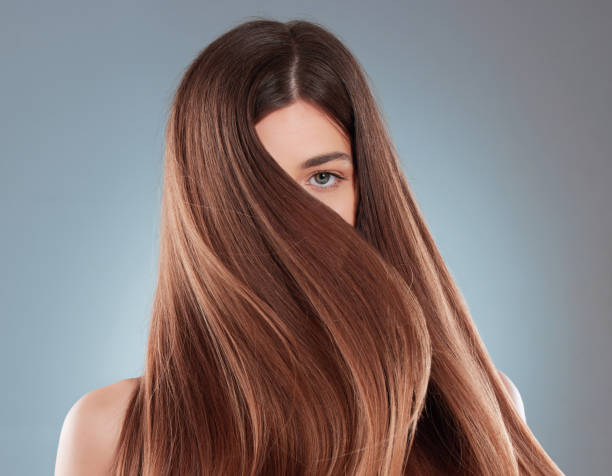
In the pursuit of thick, lustrous hair, the conversation often centers on the “building blocks” of beauty. While most consumers are familiar with the term “protein,” few understand the distinct roles played by the body’s various structural fibers. When deciding between collagen vs keratin for hair, it is essential to recognize that these two proteins operate in entirely different ways. Keratin is the physical substance of the hair itself—the tough, fibrous shield that forms the strand. Collagen, conversely, acts as the “infrastructure,” supporting the scalp and the dermal environment where hair follicles reside. Understanding how these proteins complement one another is the key to transitioning from superficial hair care to a deep, biologically supported wellness routine.
The “External” Strength: What is Keratin?
Keratin is a hard, insoluble protein that makes up approximately 90% of each hair strand. It is rich in the amino acid cysteine, which forms strong sulfur bonds (disulfide bridges) that give hair its durability and resistance to environmental heat and chemicals. When people seek out keratin treatments or shampoos, they are typically trying to patch “gaps” in the hair cuticle. Damaged hair—characterized by frizz, split ends, and dullness—is often the result of depleted keratin. By applying hydrolyzed keratin topically or supporting its production internally, the hair shaft becomes smoother, light-reflecting, and more resilient to breakage. However, keratin is the “end product”; it does not address the biological health of the scalp or the growth cycle of the follicle.
The “Internal” Foundation: The Role of Collagen
While keratin builds the strand, collagen builds the environment. Collagen is the most abundant protein in the human body, found in the dermis—the middle layer of the skin that houses the hair roots. Collagen acts as a scaffold, providing elasticity and hydration to the scalp.
- Amino Acid Supply: Collagen is exceptionally high in proline, glycine, and hydroxyproline. Proline, in particular, is one of the primary amino acids used by the body to synthesize keratin. In this sense, collagen acts as the “raw material supplier” for the hair you see on your head.
- Follicle Support: As we age, natural collagen production declines, leading to a thinner, less elastic dermis. A weakened dermis can result in “loose” follicles and increased shedding. By replenishing collagen levels, you provide a firm, nutrient-rich foundation for follicles to thrive.
- Antioxidant Protection: Recent research suggests that certain collagen peptides—particularly those sourced from marine life—act as powerful antioxidants. These peptides help neutralize free radicals caused by UV exposure and pollution, which can otherwise damage hair follicles and accelerate graying.
Comparing the Mechanisms: Hydration vs. Repair
The decision between these two often comes down to the specific hair concern:
- Choose Keratin-focused support if your hair is chemically treated, over-processed, or prone to extreme frizz. Keratin works to reinforce the existing fiber, making it an excellent choice for immediate structural repair and shine.
- Choose Collagen-focused support if you are dealing with thinning hair, a dry scalp, or age-related loss of volume. Because collagen improves the health of the scalp and provides the necessary amino acids for hair growth, it is a long-term solution for hair density and vitality.
The Synergy: Why Both are Better Together
In modern hair care, the most effective regimens don’t choose one over the other; they utilize the synergy between them. Think of a house: Keratin is the durable siding and roofing that protects the structure from the weather, while Collagen is the deep concrete foundation and the piping that delivers nutrients to the home. Without the foundation (collagen), the house will eventually sag and weaken; without the roof (keratin), the interior will be destroyed by the elements. Clinical studies have shown that individuals who combine collagen peptides with keratin-supporting nutrients like biotin and Vitamin C see significantly better results in hair diameter and tensile strength than those who use a single protein alone.
Bioavailability and Sourcing Matters
Not all protein supplements are created equal. To be effective, collagen must be “hydrolyzed,” meaning it is broken down into small peptides that the body can actually absorb and transport to the skin and hair follicles. Similarly, marine-sourced collagen is often preferred for hair health due to its smaller molecular weight and higher absorption rate compared to bovine sources. When choosing a supplement, transparency regarding heavy metal testing and purity is paramount, as contaminants can cause inflammatory responses that actually hinder hair growth.
Investing in Long-Term Hair Vitality
True beauty is a reflection of internal health. While a salon keratin treatment can provide a temporary aesthetic fix, the long-term density and health of your hair depend on the nutritional support you provide your body. By addressing the decline of structural proteins from the inside out, you can combat the thinning and brittleness associated with aging and environmental stress.
Achieving a professional-grade result requires sourcing your supplements from a partner dedicated to purity and scientific integrity. Whether you are aiming to repair damaged cuticles or revitalize a thinning scalp, understanding the biological nuances of your beauty routine is the first step toward lasting change. Exploring the comprehensive guides and premium formulations at BioOptimal allows you to tailor your regimen to your specific needs, ensuring your hair receives the exact building blocks it needs to shine. When you support the foundation, the results are inevitable.
