


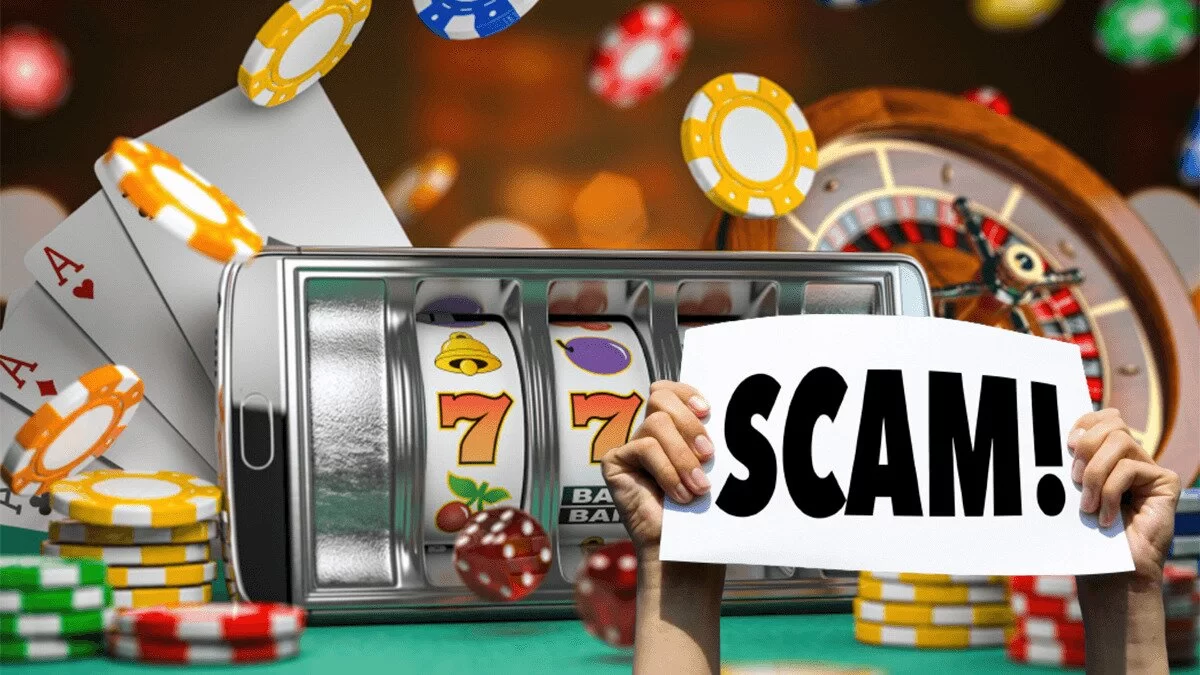
Online gambling has grown rapidly in recent years, offering convenience and entertainment to millions of users worldwide. However, alongside legitimate platforms, there has also been a rise in fraudulent websites designed to exploit users. Understanding how to recognize red flags is essential for protecting your money, personal data, and overall online safety.
Contents
Toggle1. Unrealistic Bonuses and Too-Good-To-Be-True Offers
One of the most common tactics used by scam gambling platforms is offering extremely generous bonuses that seem unrealistic. While promotions are common in the industry, fraudulent sites often advertise huge welcome rewards or guaranteed wins with minimal conditions.
If an offer feels excessively attractive compared to industry standards, it is often designed to lure users into depositing money quickly without proper verification.
2. Lack of Proper Licensing and Regulation
Legitimate gambling platforms operate under strict licensing authorities and regulatory bodies. Scam sites, on the other hand, often hide or fake their licensing information.
Before using any platform, users should verify whether it is registered with a recognized gaming authority. Absence of clear licensing details is a strong warning sign that the platform may not be trustworthy.
3. Poor Website Security and Design Issues
A professional gambling platform invests in secure technology and user-friendly design. Scam websites often appear poorly built, with broken links, outdated graphics, and weak encryption (or none at all).
If a website does not use HTTPS or shows frequent technical errors, it may not be safe to enter personal or financial information.
4. Delayed or Blocked Withdrawals
One of the biggest complaints about fraudulent gambling platforms is difficulty in withdrawing funds. Users may find that winnings are delayed indefinitely or blocked entirely under vague excuses.
A trustworthy platform clearly explains withdrawal policies and processes payments in a consistent and timely manner.
5. Unresponsive or Fake Customer Support
Reliable gambling sites offer professional customer service that is available and responsive. Scam platforms often provide fake chat systems, automated replies, or no support at all once money has been deposited.
Testing customer support before making deposits can help reveal whether the service is legitimate.
6. Hidden Terms and Unclear Policies
Fraudulent platforms often bury important rules in complex or unclear terms and conditions. This includes restrictions on withdrawals, bonus usage, or account verification.
Always review policies carefully before signing up. If the terms are confusing or constantly changing, it is a serious red flag.
7. Pressure Tactics and Account Manipulation
Some scam platforms use psychological pressure, such as limited-time offers or aggressive pop-ups, to push users into quick decisions. Others may manipulate accounts, showing fake winnings to encourage further deposits.
A safe platform allows users to make decisions at their own pace without coercion.
8. Suspicious User Reviews and Reputation
Checking reviews from independent sources can help identify scam platforms. However, fake websites often post fabricated positive reviews to appear legitimate.
A sudden flood of overly positive feedback with no detailed experiences is often a sign of manipulation.
9. Inconsistent Identity and Branding
Fraudulent gambling platforms frequently change their domain names, branding, or company details to avoid detection. This inconsistency makes it difficult for users to track their legitimacy.
In some cases, users may find identical platforms operating under different names, which is a major warning sign.
10. Example of Misleading Platform Behavior in Practice
Some users have reported encountering platforms that promise instant payouts but delay withdrawals indefinitely or require additional “verification fees” before releasing funds. In certain discussions, names like UFA169 are mentioned in connection with such concerns, highlighting the importance of carefully verifying any platform before engagement.
Conclusion
Avoiding scams in online gambling requires awareness, caution, and verification. By recognizing red flags such as unrealistic bonuses, poor security, lack of licensing, and withdrawal issues, users can significantly reduce their risk.
The key is simple: if something feels suspicious or too good to be true, it usually is. Always research before you play, and prioritize platforms with transparency and proven credibility.
