


How to Coordinate Red Oak Stair Treads with Hardwood Flooring
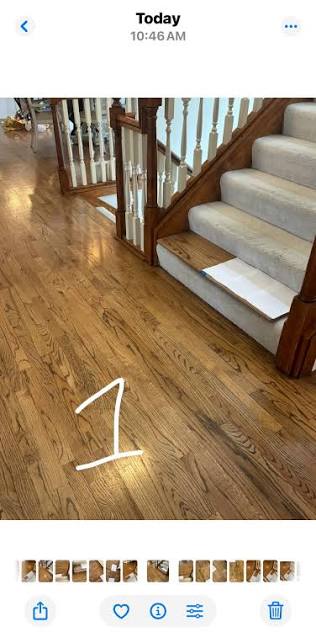
Staircases often connect two floors that use the same hardwood, making material coordination an important part of the project rather than a finishing detail. Properly selected red oak stair treads can create a natural visual transition between levels while meeting the wear demands of a frequently used staircase. Flooring dealers, contractors, builders, and designers should consider grain, stain, sheen, tread construction, and surrounding components before approving materials.
Understand the Appearance of Red Oak
Red oak is widely used for flooring and stair parts because it has a visible grain pattern and accepts many stain colors. Its heartwood commonly ranges from light brown to pinkish or reddish brown, while its sapwood may appear lighter.
The open, pronounced grain gives the material a recognizable character. This grain can help disguise minor signs of everyday use better than a very smooth, uniform surface. It also works across many interior styles, from traditional homes with stained railings to newer spaces with painted risers and metal balusters.
Natural variation should be expected. Individual boards can differ in color and grain even when they come from the same species and receive the same stain. Professionals should explain this variation to clients before materials are ordered.
Decide Whether to Match or Coordinate
An exact match between the stairs and floor may sound ideal, but it is not always practical. Flooring and stair components may come from different lumber batches, use different board widths, or receive finishes under different conditions.
A coordinated appearance is often more achievable. The stairs can share the flooring’s general color family and undertone without looking identical. For example, warm brown flooring may pair well with treads in a related warm stain, even if the stair parts are slightly lighter or darker.
Contrast can also be intentional. Natural or lightly stained treads can be combined with painted white risers, while darker handrails or iron balusters provide definition. The important point is to make the contrast appear deliberate rather than accidental.
Compare Physical Samples Before Ordering
Digital photographs are useful for narrowing options, but screens cannot reproduce wood color reliably. Display settings, photography lighting, and room conditions can all affect how a stain appears.
Physical samples should be placed beside the installed flooring or an approved flooring sample. Review them during the day and under the artificial lighting planned for the space. Warm bulbs may bring out amber or red tones, while cooler lighting may make the same finish appear more muted.
Designers should also compare sheen levels. A high-sheen stair beside a low-sheen floor can appear mismatched even when the stain colors are close. Grain, color, and surface reflectivity must be considered together.
Select Prefinished or Unfinished Treads
Prefinished treads arrive with the stain and protective topcoat already applied. They can reduce sanding, staining, coating, and drying work at the property. This is particularly useful for occupied homes, tight schedules, and projects where dust and odor must be limited.
Factory-applied finishes may also provide more consistent results across the order. However, the finish must be selected and approved before production, leaving less room for jobsite color adjustments.
Unfinished treads allow the contractor to create a project-specific stain. This can be helpful when matching existing site-finished flooring or older woodwork. The trade-off is additional labor, drying time, ventilation, and responsibility for the final appearance.
The choice should be based on the project conditions, desired color control, schedule, and contractor’s finishing capabilities.
Choose the Correct Tread Construction
Traditional stair treads are generally specified for new construction or full staircase replacement. They are installed as part of the stair assembly and must meet the dimensional and structural requirements of the project.
Retro treads are often used when converting carpeted stairs to hardwood. These thinner components fit over a prepared existing stair structure. Before installation, the contractor may need to remove carpet, padding, fasteners, and the original nosing. The supporting surface must be stable, clean, and level.
The installer should confirm which construction is suitable before the order is placed. Selecting a tread based only on appearance can lead to fitting problems or unexpected carpentry work.
Document Returns and Related Components
Each step must be checked for exposed ends. Closed or box treads are used when both ends meet walls or skirt boards. Left-return and right-return treads have a finished exposed edge on the corresponding side when viewed from the bottom of the staircase. Double-return treads have finished ends on both sides.
The finish schedule should also cover risers, landing tread, cove moulding, handrails, newel posts, and other visible wood parts. Ordering these elements without a shared plan can result in conflicting stain colors or profiles.
Installers should measure every tread location individually because staircase widths are not always consistent. Quantities, dimensions, returns, and accessories should be verified before demolition begins.
Build a Better Material Plan
Coordinating red oak stairs with hardwood flooring requires early decisions about color, sheen, tread type, exposed edges, and surrounding components. Samples and accurate field measurements give all parties a clearer basis for approval and help prevent unsuitable materials from reaching the jobsite. Flooring professionals, contractors, builders, architects, and designers can visit Wood Stair Co to review prefinished and unfinished red oak options, compare tread configurations, order samples, and begin assembling the right stair package for their next project.
