


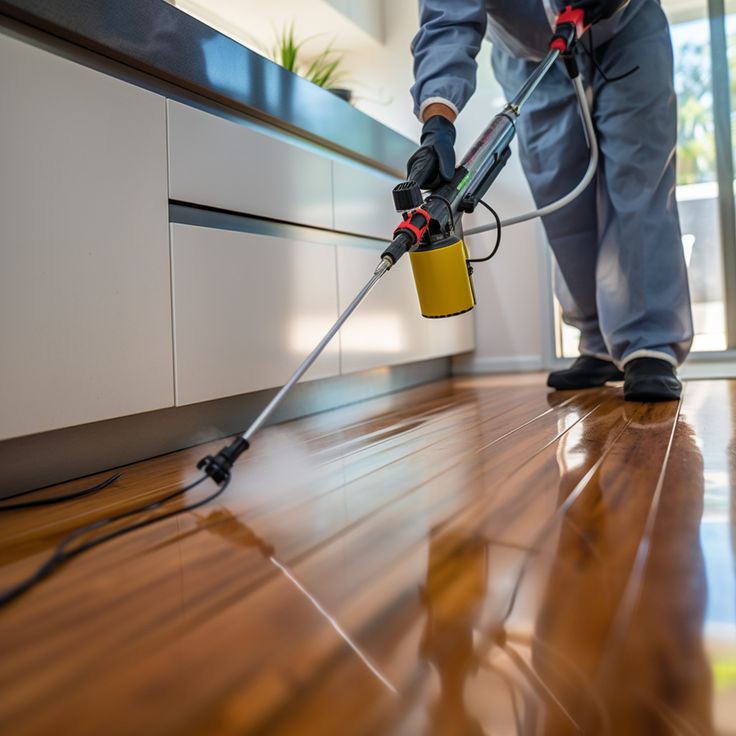
A safe and comfortable home is not just about maintaining cleanliness and order—it also involves protecting your living space from pests. From ants and cockroaches to rodents and termites, unwanted intruders can damage property, spread disease, and create persistent stress for homeowners. Effective budget pest control requires a combination of prevention, early detection, and strategic intervention. This guide provides a comprehensive overview of how to safeguard your home from these unwelcome visitors.
Contents
ToggleUnderstanding Common Household Pests
-
Insects
-
Ants: Often drawn to food and moisture, ants can form large colonies indoors.
-
Cockroaches: Known carriers of bacteria, these pests thrive in dark, damp environments.
-
Termites: Wood-destroying insects that can compromise structural integrity over time.
-
Bedbugs: Small, nocturnal pests that feed on human blood and hide in mattresses or furniture.
-
-
Rodents
-
Mice and Rats: These pests chew through wires, contaminate food, and reproduce quickly, making early detection critical.
-
-
Other Pests
-
Spiders: While mostly harmless, some species can be venomous.
-
Wasps and Bees: Aggressive stings can pose health risks, especially to allergic individuals.
-
Flies and Mosquitoes: Besides being nuisances, they can spread diseases.
-
Preventive Measures
The most effective pest control begins with prevention. Homeowners can adopt several strategies to reduce the likelihood of infestations:
-
Maintain Cleanliness
-
Regularly clean kitchens, dining areas, and garbage bins to remove food sources.
-
Sweep and vacuum floors, wipe down surfaces, and eliminate standing water.
-
-
Seal Entry Points
-
Inspect windows, doors, vents, and cracks in walls for potential pest entry.
-
Use weather stripping, caulking, and mesh screens to block access.
-
-
Proper Food Storage
-
Store dry goods in airtight containers.
-
Refrigerate perishable items promptly and dispose of spoiled food.
-
-
Outdoor Maintenance
-
Trim shrubs, grass, and trees to prevent pests from nesting close to the home.
-
Keep firewood, compost, and trash away from foundations.
-
Early Detection and Monitoring
Regular inspections help identify problems before they escalate:
-
Look for droppings, gnaw marks, shed skins, or unusual odors.
-
Set up traps or monitoring stations in high-risk areas like attics, basements, and kitchens.
-
Observe seasonal patterns, as many pests are more active in specific months.
Methods of Pest Control
Once pests are detected, appropriate control measures are necessary:
-
Non-Chemical Options
-
Traps: Sticky traps, snap traps, and humane catch-and-release devices.
-
Physical Barriers: Mesh screens, door sweeps, and sealing gaps.
-
Natural Deterrents: Essential oils, diatomaceous earth, or vinegar sprays can repel insects.
-
-
Chemical Treatments
-
Insecticides: Targeted sprays or baits for ants, cockroaches, or bedbugs.
-
Rodenticides: Rodent-specific poisons or gel baits placed in safe, controlled areas.
-
Fumigation: For severe infestations, professional fumigation may be required.
-
-
Professional Pest Control
-
Hiring licensed pest control experts ensures effective treatment for challenging infestations.
-
Professionals can provide ongoing maintenance plans to prevent recurrence.
-
Integrated Pest Management (IPM)
A modern and sustainable approach is Integrated Pest Management, which combines prevention, monitoring, and targeted interventions:
-
Focus on long-term prevention rather than reactive measures.
-
Use chemical treatments as a last resort.
-
Educate homeowners about practices that reduce pest attraction.
Safety Considerations
When implementing pest control strategies, safety is paramount:
-
Follow label instructions carefully for chemical products.
-
Keep pesticides out of reach of children and pets.
-
Wear protective gear when handling chemicals or traps.
-
Ventilate treated areas properly to minimize exposure.
Conclusion
Effective home defense against pests requires a balanced strategy of prevention, early detection, and controlled intervention. By maintaining cleanliness, sealing entry points, monitoring for signs of infestation, and using appropriate treatment methods, homeowners can safeguard their property, health, and peace of mind. Whether through DIY measures or professional assistance, proactive pest management ensures a home remains safe, comfortable, and free from unwanted intruders.
