


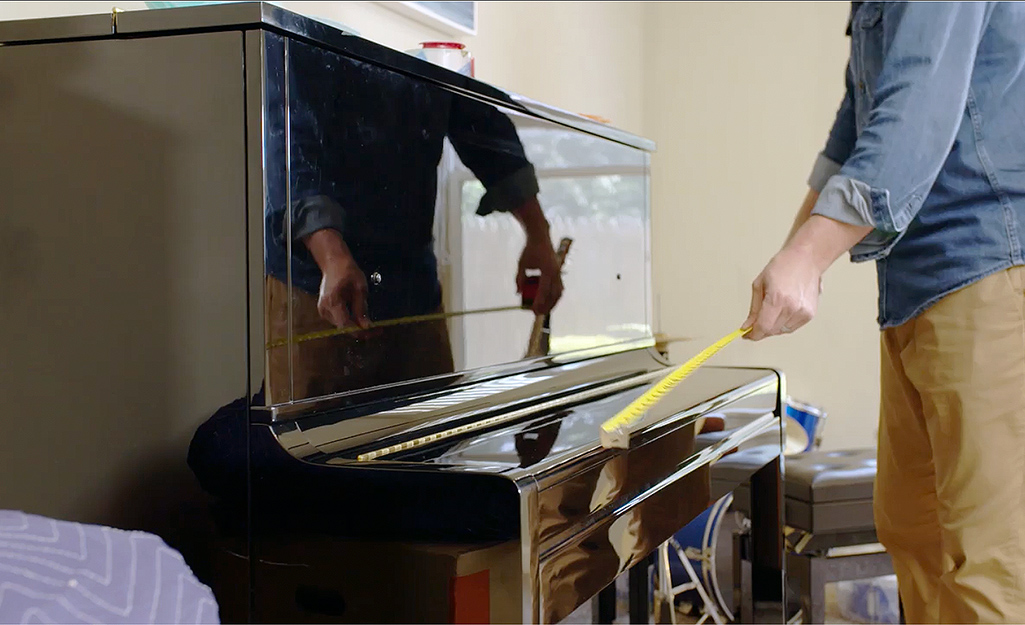
When you’re preparing to move a piano, searching for piano movers near me is usually the first step—and for good reason. Pianos are not just heavy instruments; they are delicate, expensive, and structurally complex. A single mistake can damage internal components, scratch finishes, or even harm your home.
Whether it’s a grand piano, upright piano, or digital piano, professional piano movers follow a precise, well-tested process to ensure the instrument arrives safely and damage-free. In this blog, we’ll explain exactly how trained experts move each type of piano using skill, experience, and specialized equipment.
Key Highlights
- Pianos can weigh 300 to 1,200+ pounds, requiring expert handling
- Professional piano movers use specialized tools and protective materials
- Grand pianos require partial disassembly and skid boards
- Upright pianos are moved upright using heavy-duty dollies
- Digital pianos need extra protection for electronic components
- Movers protect floors, walls, and doorways during the move
- Hiring piano movers near me reduces risk, stress, and repair costs
Why Professional Piano Moving Matters
A piano isn’t just furniture—it’s a precision instrument with hundreds of sensitive parts, including strings, hammers, keys, pedals, and soundboards. Improper lifting or tilting can throw these components out of alignment or cause permanent damage.
Professional piano movers bring:
- Specialized moving equipment
- Thick padding and custom wrapping materials
- Experience navigating stairs, tight spaces, and doorways
- Knowledge of disassembly and reassembly
- Insurance and liability coverage
This expertise makes professional piano moving far safer than attempting a DIY move.
How Piano Movers Near Me Move Different Types of Pianos Safely
1. How Grand Pianos Are Moved Safely
Grand pianos are the most complex and delicate to relocate. Their size, weight, and shape require a highly controlled process.
Suggested Image:
Alt text: Grand piano being wrapped and placed on a skid board by professional movers
Step 1: Pre-Move Inspection
Movers carefully assess:
- Room layout and exit points
- Doorways, staircases, and elevators
- Outdoor pathways
- Current condition of the piano
This helps them plan the safest route and avoid surprises.
Step 2: Disassembling Essential Parts
To reduce risk, movers remove and protect:
- Piano lid
- Lyre (pedal assembly)
- Music rack
- Legs (usually three)
Each piece is padded and wrapped individually.
Step 3: Using a Piano Skid Board
The piano body is gently lifted and secured onto a heavy-duty skid board. This stabilizes the instrument and protects it from twisting or impact.
Step 4: Securing and Wrapping
Movers use:
- Thick moving blankets
- Industrial straps
- Corner and edge protectors
This prevents scratches and shields polished surfaces.
Step 5: Loading Into the Truck
A lift gate or low-incline ramp is used to reduce strain and prevent tipping.
Step 6: Transport and Reassembly
Inside the truck, the piano is secured upright to absorb road vibration. At the destination, movers carefully reassemble the piano and ensure proper alignment.
2. How Upright Pianos Are Moved Safely
Upright pianos are more compact but still extremely heavy and top-weighted.
Suggested Image:
Alt text: Upright piano secured on a dolly during a residential move
Step 1: Preparation and Wrapping
Movers protect:
- Keyboard cover
- Pedals
- Corners and edges
- Rear soundboard
Blankets and shrink wrap prevent dents and scratches.
Step 2: Using a Piano Dolly
A four-wheel piano dolly allows smooth movement through:
- Hallways
- Door frames
- Tight corners
The piano is tilted slightly and balanced safely on the dolly.
Step 3: Protecting Floors and Walls
To avoid damage, movers use:
- Floor runners and pads
- Sliders
- Wall and door-frame guards
Step 4: Safe Loading
The piano is strapped securely inside the truck and kept upright to protect internal mechanics.
3. How Digital Pianos Are Moved Safely
Digital pianos may appear simpler, but many are heavy, fragile, and costly.
Suggested Image:
Alt text: Digital piano wrapped with padding and bubble wrap for safe transport
Step-by-Step Process
- Detaching Removable Parts
Movers remove:
- Stands or legs
- Pedals
- Music stands
This prevents bending or snapping during transit.
- Protecting Electronic Components
Sensitive electronics are wrapped using:
- Anti-static covers
- Bubble wrap
- Thick padding
- Compact Transport
Some models are placed in padded gig bags or hard cases to prevent internal movement. - Safe Loading & Unloading
Digital pianos are kept level to protect internal circuits and soundboards.
Professional Tools Piano Movers Use
To ensure maximum safety, professional piano movers rely on:
- Piano skid boards
- Heavy-duty straps
- Stair ramps
- Lift gates
- Piano dollies
- Corner and edge protectors
- Thick moving blankets
- Floor and wall protection covers
Each tool minimizes risk and keeps both the piano and property safe.
Common Challenges Piano Movers Near Me Handle Expertly
- Tight staircases
- Narrow hallways
- High-rise apartments
- Fragile flooring
- Basement piano removals
- Uneven outdoor paths
Experienced movers know how to adapt techniques to handle these obstacles efficiently.
How Movers Protect Your Home During a Piano Move
Professional movers don’t just protect the piano—they also safeguard your home by using:
- Wall bumpers
- Door jamb protectors
- Floor runners
- Furniture blankets
- Shoe covers
This ensures no scratches, dents, or damaged flooring during the move.
Final Delivery and Positioning
Once the piano reaches its destination, movers:
- Reassemble parts (for grand pianos)
- Position the piano based on acoustics and space
- Confirm balance and stability
- Check pedal and key functionality
They may also recommend post-move tuning, which is typically done after the piano adjusts to its new environment.
FAQs About Piano Movers Near Me
- How much does it cost to hire piano movers near me?
Costs vary based on piano type, distance, stairs, and accessibility, but professional piano moving typically ranges from moderate to premium due to specialized labor and equipment. - Can regular movers move a piano safely?
Not always. Pianos require specialized training and tools. Hiring dedicated piano movers near me significantly reduces the risk of damage. - Do pianos need tuning after a move?
Yes. Most experts recommend tuning a piano a few weeks after relocation, once it has adjusted to temperature and humidity changes. - How long does a piano move take?
Most local piano moves take between 1–4 hours, depending on piano size and property layout. - Are piano movers insured?
Professional piano movers typically carry insurance and liability coverage for added peace of mind.
Conclusion
Whether you own a grand piano, upright piano, or digital piano, professional movers use proven techniques and specialized equipment to protect your instrument from start to finish. Searching for piano movers near me helps you find trained local experts who understand the unique challenges of moving such valuable instruments.
With the right team, you’ll enjoy a smooth, stress-free relocation—and the confidence that your piano is in skilled, professional hands.
