


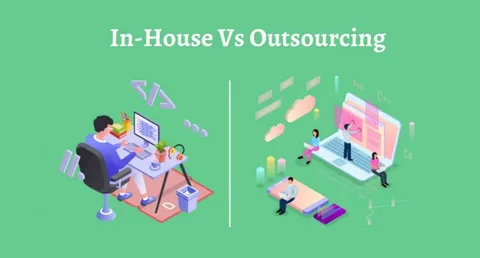
Businesses planning to build an iOS app often face an early but crucial question: should you hire iOS developers internally or outsource the entire project to an external team? Both paths can lead to a fully functional, high-performing app, but the costs associated with each option vary more than most business owners expect. Choosing the right approach can significantly impact your budget, project timeline, product quality, and long-term scalability.
Today’s mobile market moves fast, and brands need to make smart decisions that balance cost-efficiency with innovation. Whether you’re a startup developing your first app or an established company enhancing existing products, understanding the real cost difference between in-house and outsourced development is essential.
This guide breaks down everything you need to know, helping you determine which approach makes more financial sense for your business.
What Does It Really Cost to Hire In-House iOS Developers?
Hiring internally gives you full control over the workflow, communication, and long-term vision of your product. However, the cost of building an in-house team is often much higher than expected.
Businesses typically assume they only need to pay for a developer’s salary, but the true cost includes several additional layers. When you hire iOS developers in-house, you must account for recruitment, onboarding, benefits, payroll taxes, training, workspace expenses, and software tools. These hidden costs frequently double or even triple the base salary.
Beyond financial investment, there is the time factor. Companies may spend weeks or months recruiting the right talent, especially if they need senior-level expertise in Swift, Objective-C, or advanced iOS frameworks. During that time, development remains on hold, and competitors continue gaining ground in the market.
That said, in-house hiring makes sense for companies planning continuous updates, long-term projects lasting years, or organizations wanting consistent, hands-on management of the development lifecycle. You gain knowledge retention, immediate communication, and stronger alignment with internal processes. But the higher overhead can make this option overwhelming for many businesses.
How Much Can Outsourced iOS Developers Save You?
Outsourcing is one of the most popular choices for companies that want high-quality app development without the long-term cost of staffing. Working with an iOS app development company in USA or an offshore team can drastically reduce overhead by eliminating expenses like benefits, training, and full-time salaries.
Instead of paying for a permanent employee, you pay for the exact skills and duration your project requires. Outsourcing allows you to scale your team up or down based on workload without dealing with hiring delays or workforce management challenges.
Another advantage is access to a wider talent pool. Many outsourced teams include specialists in UI/UX design, backend development, QA testing, and project management. This allows businesses to build polished, feature-rich apps with fewer internal resources. In many cases, outsourcing also leads to faster turnaround times, as agencies typically run multiple developers in parallel to speed up delivery.
However, outsourcing requires choosing the right partner. A trustworthy agency provides transparent communication, detailed project timelines, and consistent progress updates. When businesses work with experienced developers, outsourcing can be the most cost-effective way to build premium apps without sacrificing quality.
Which Option Delivers Better Long-Term Value?
Financial considerations go beyond initial development cost. Businesses should think about long-term value, scalability, and maintenance needs.
With an in-house team, ongoing improvements become easier, but the company must continue paying salaries even during slower development phases. This can be wasteful when demand fluctuates.
Outsourcing allows more flexibility. When a project is complete, you can pause or scale down the development team, significantly reducing ongoing costs. Instead of paying year-round staffing expenses, businesses only invest when new updates or features are required.
Value also comes from expertise. Sometimes internal teams lack advanced skills essential for complex app features such as AR, AI-driven recommendations, high-level security, or custom APIs. A specialized external iOS development team already has these capabilities and can bring more innovation to your app without additional training costs.
Which Is the Better Choice for Startups?
Startups operate with limited budgets, making outsourcing highly attractive. It removes barriers like hiring delays, operational costs, and full-time commitments. With outsourcing, startups can bring an MVP to market quickly, gather user feedback, and allocate funds to other areas like marketing or customer acquisition.
However, startups developing long-term platforms or handling sensitive user data sometimes prefer in-house teams to maintain tighter control and confidentiality. The right choice depends on product complexity, growth plans, and financial flexibility.
What About Established Companies?
Enterprises and mid-sized companies often choose a hybrid model: small in-house teams for strategic planning, paired with outsourced developers for specialized tasks or large-scale projects. This combination provides cost efficiency while still maintaining internal oversight.
Outsourcing is especially valuable when internal teams already have heavy workloads. Instead of delaying critical projects, companies can rapidly extend their team with external expertise and keep everything moving.
How Should You Decide What’s Best for Your Business?
The best choice depends on your priorities. If control, real-time communication, and long-term staffing matter most, in-house hiring may work better. If reducing expenses, speeding up development, and accessing global expertise is more important, outsourcing is the clear winner.
For most businesses—especially those developing apps on a project basis—outsourcing generally results in significant savings without compromising quality. Working with an experienced iOS development company provides predictable pricing, reduced timelines, and professional expertise at every stage of the development cycle.
FAQs
Is it cheaper to outsource iOS app development?
In most cases, yes. Outsourcing eliminates costs like full-time salaries, benefits, and training. You pay only for the services you need, which makes it far more cost-effective for most businesses.
Should startups hire in-house developers or outsource?
Startups usually benefit more from outsourcing due to lower costs and faster development. Once the product stabilizes and long-term plans are clearer, they can consider building an internal team if needed.
How do I choose between in-house and outsourced iOS developers?
Focus on your long-term goals, budget, timeline, and preferred level of involvement. If flexibility and cost efficiency matter most, outsourcing is ideal. If constant internal collaboration is essential, in-house may be better.
Can outsourcing affect app quality?
Quality depends on who you partner with. A reputable iOS app development company ensures professional coding standards, consistent communication, and timely delivery. Choosing the right agency makes a significant difference.
Do outsourced teams provide ongoing support and updates?
Yes. Most agencies offer post-launch support, maintenance, and feature updates. You can engage them as needed, giving you more financial flexibility compared to maintaining a full-time internal team.
