


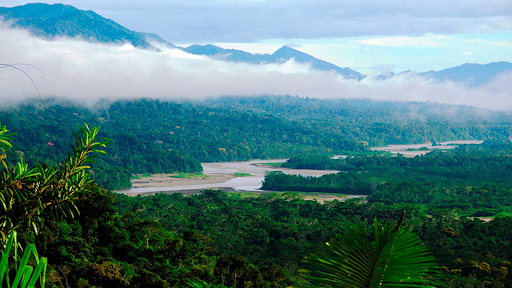
Deep within Peru’s southeastern jungle lies a treasure of almost incomprehensible biological wealth amazon manu park peru, a 1.5-million-hectare expanse of pristine rainforest that represents conservation on a truly epic scale. Recognized by UNESCO as a World Heritage Site and International Biosphere Reserve, Manu stands as one of the most biodiverse protected areas on Earth, harboring ecosystems so intact and species concentrations so remarkable that scientists continue discovering new organisms within its borders. For travelers seeking the Amazon experience in its purest, most spectacular form, Manu National Park in Peru offers an unparalleled wilderness adventure.
The Crown Jewel of Amazonian Conservation
Manu National Park encompasses an extraordinary elevational range, descending from Andean cloud forests above 4,000 meters down through montane forests into lowland Amazonian jungle at just 300 meters elevation. This dramatic topography creates multiple ecological zones stacked vertically, each supporting distinct communities of plants and animals. The result is biodiversity that defies imagination over 1,000 bird species (more than the United States and Canada combined), 200 mammal species, 1,200 butterfly varieties, and an estimated 15,000 plant species.
What truly distinguishes Manu from other Amazon destinations is its protected status and limited access. Unlike more developed jungle areas, Manu remains largely untouched by logging, mining, or significant human settlement. Strict regulations limit visitor numbers and activities, ensuring the park’s ecological integrity while allowing carefully managed tourism that funds conservation and benefits local communities.
Understanding Manu’s Zones: Where Can You Go?
Manu divides into three distinct zones with varying access levels, a structure crucial for understanding trip possibilities.
The Cultural Zone occupies the park’s periphery and transition areas between highlands and lowlands. Cloud forests draped in mosses and bromeliads harbor spectacled bears, woolly monkeys, and the spectacular Andean cock-of-the-rock with its brilliant orange plumage. This zone allows relatively unrestricted access, making it popular for shorter trips and budget-conscious travelers.
The Reserved Zone permits controlled tourism through licensed operators holding limited permits. This area protects pristine lowland rainforest accessed via the Madre de Dios River and its tributaries. Visitors stay at rustic lodges or tented camps, exploring via boat, on foot, and from canopy platforms. Wildlife sightings reach extraordinary frequency here giant river otters, jaguars, tapirs, multiple monkey species, and hundreds of bird varieties inhabit these protected forests.
The National Park Core Zone remains strictly off-limits except for authorized scientific research and indigenous communities with ancestral territorial rights. Several uncontacted tribes live voluntarily isolated within this zone, their presence underscoring Manu’s role as both biological and cultural sanctuary.
Most tourism focuses on the Reserved Zone, where infrastructure exists specifically to facilitate sustainable wildlife observation while minimizing environmental impact.
Wildlife Beyond Imagination
Manu’s species lists read like fantasy. Thirteen monkey species swing through the canopy, from tiny pygmy marmosets to robust spider monkeys. Giant anteaters prowl forest floors while three-toed sloths move in slow motion overhead. Tapirs South America’s largest land mammals leave distinctive three-toed tracks along riverbanks.
The birdwatching opportunities border on overwhelming. Macaws in rainbow colors, toucans with improbable beaks, harpy eagles capable of snatching monkeys from trees, and over 30 parrot species create constant aerial activity. Manu’s famous clay licks attract hundreds of parrots simultaneously, creating spectacular concentrations as birds gather to consume mineral-rich soil that neutralizes toxins in their seed-based diet.
River species prove equally impressive. Pink and gray river dolphins navigate the waterways, their intelligence and playfulness delighting observers. Giant river otters, growing up to two meters long, hunt cooperatively in family groups and vocalize constantly with chirps, squeaks, and barks. Black caimans massive reptiles reaching five meters lurk in oxbow lakes alongside smaller spectacled caimans.
Patient observers with experienced guides occasionally glimpse Manu’s apex predator, the jaguar. These magnificent cats, though elusive, maintain healthy populations throughout the park, sometimes spotted drinking at riverbanks during early morning or late afternoon.
The Manu Experience: What Your Journey Entails
Accessing Manu National Park typically begins in Cusco, where most tours depart on multi-day expeditions. The journey itself forms part of the adventure, transitioning through multiple ecosystems as you descend from Andean highlands into steaming jungle lowlands.
Road travel winds through spectacular mountain scenery before entering cloud forests where condensation perpetually shrouds vegetation. Stops at strategic viewpoints reveal Andean condors soaring on thermals and cock-of-the-rocks performing their elaborate mating dances at traditional leks.
River transportation begins where roads end, boarding motorized canoes for journeys deeper into the Reserved Zone. These river trips provide continuous wildlife viewing sunbathing caimans, capybaras grazing peacefully, and countless bird species fishing, roosting, or flying overhead.
Accommodations range from comfortable eco-lodges with beds, mosquito netting, and shared facilities to rustic tented camps emphasizing authentic wilderness immersion. Solar panels provide limited electricity, candles illuminate evenings, and jungle sounds replace urban noise completely.
Daily activities blend exploration methods. Guided forest walks reveal medicinal plants, intricate insect colonies, and tracks indicating recent jaguar or tapir passage. Canoe trips access oxbow lakes where giant otters fish and hoatzins bizarre prehistoric-looking birds perch awkwardly in waterside vegetation. Canopy platforms and towers elevate observers into the forest’s upper stories where completely different species communities exist.
Night safaris illuminate a transformed forest. Caimans’ eyes reflect spotlight beams like rubies scattered along riverbanks. Nocturnal mammals emerge kinkajous, night monkeys, and porcupines conducting business impossible during daylight. Insect choruses reach deafening volumes, a reminder that invertebrates dominate tropical ecosystems numerically and ecologically.
Indigenous Communities and Cultural Dimensions
Several indigenous groups maintain traditional lifestyles within Manu’s Cultural Zone and Reserved Zone buffer areas. The Matsiguenka and Yine peoples possess profound ecological knowledge accumulated over millennia of forest living. Some communities participate in tourism programs, welcoming visitors to share cultural practices, traditional crafts, and medicinal plant knowledge.
These encounters, when conducted respectfully through community-approved channels, provide income supporting cultural preservation while offering travelers invaluable perspectives on sustainable forest relationships. Visitors might learn bow-and-arrow construction, witness traditional fishing techniques, or understand how indigenous knowledge systems classify hundreds of plant species by medicinal, nutritional, or practical properties.
Planning Your Manu Adventure
Trip duration significantly impacts experience quality. Minimum tours run four to five days, but seven to nine-day expeditions allow deeper penetration into the Reserved Zone and substantially increase wildlife encounter probabilities. The rainforest rewards patience species don’t appear on schedule, and longer stays exponentially improve sighting opportunities.
Season selection matters. The dry season (May through October) offers easier hiking, lower river levels exposing beaches, and generally clearer weather, though “dry” remains relative in rainforest environments. The wet season (November through April) brings higher water levels enabling exploration of flooded forests and concentrating wildlife on remaining dry ground.
Physical preparation helps considerably. Manu trips demand reasonable fitness for jungle hiking, humid conditions, and basic accommodations. Proper vaccinations, antimalarial prophylaxis, and appropriate gear including rain protection, sturdy boots, long-sleeved clothing, and quality binoculars prove essential.
Operator selection requires research. Only licensed companies with Reserved Zone permits access the park’s best areas. Reputable operators employ expert naturalist guides, maintain proper safety standards, and operate sustainably with community benefits.
Conclusion: Key Takeaways
Amazon manu park peru represents the Peruvian Amazon at its most pristine and biodiverse. This UNESCO World Heritage Site protects extraordinary ecosystems ranging from Andean cloud forests to lowland rainforest, supporting over 1,000 bird species and 200 mammals within carefully managed conservation zones.
Success requires understanding access limitations (most tourism occurs in the Reserved Zone requiring licensed operators), committing adequate time (minimum four to five days, ideally seven to nine), preparing for rustic conditions and moderate physical demands, and selecting reputable operators with proper permits and naturalist guides.
Most importantly, approach Manu with realistic expectations and profound respect. This isn’t a zoo or theme park but a functioning wilderness ecosystem where wildlife lives naturally, weather follows its own patterns, and human comfort ranks secondary to conservation. For those willing to embrace these realities, Manu delivers Amazon experiences of unmatched authenticity and wonder.
