


The Sacred Valley of the Incas, known locally as Valle Sagrado, stretches majestically along the Urubamba River between Cusco and Machu Picchu. This fertile corridor served as the agricultural and spiritual heartland of the Inca Empire, providing sustenance to the civilization while hosting some of its most significant ceremonial centers. A full-day tour from Cusco offers travelers an immersive journey through this living museum, where ancient ruins stand alongside vibrant indigenous communities that maintain traditions dating back centuries.
The Geographic and Historical Significance
Situated at a lower elevation than Cusco ranging from 2,800 to 2,900 meters (9,186 to 9,514 feet) the Sacred Valley of the Incas full-day tour from Cusco provided the Incas with a temperate climate and rich alluvial soil perfect for cultivating maize, quinoa, and potatoes. The valley’s strategic location and agricultural abundance made it more valuable to the Incas than Cusco itself in many respects.
The Incas believed the Urubamba River mirrored the Milky Way, creating a sacred cosmic connection between earth and sky. This spiritual significance, combined with the valley’s practical importance, led to the construction of multiple administrative centers, temples, fortresses, and agricultural complexes throughout the region. Today, these archaeological treasures offer windows into Incan engineering prowess, religious practices, and daily life.
Traditional Tour Itinerary and Highlights
Most Sacred Valley full-day tours depart Cusco between 7:00 and 8:00 AM, allowing travelers to maximize daylight hours while avoiding the most intense midday heat. The journey begins with a scenic drive through the Andean highlands, where snow-capped peaks frame traditional villages and terraced hillsides showcase agricultural methods unchanged for generations.
Pisac: Archaeological Marvels and Artisan Markets
The first major stop is typically Pisac, a town offering dual attractions. The archaeological site perches dramatically on a mountain spur above the modern town, featuring extensive agricultural terraces, ceremonial baths, temples, and one of the Inca Empire’s largest cemeteries. The precision stonework rivals that of Machu Picchu, though Pisac receives far fewer visitors.
The site’s agricultural terraces demonstrate sophisticated Incan engineering creating microclimates at different elevations to experiment with crop varieties. The Temple of the Sun showcases exceptional masonry, with massive stones fitted so precisely that no mortar was required. The Intihuatana, or “hitching post of the sun,” served astronomical purposes, allowing priests to track solstices and coordinate agricultural calendars.
After exploring the ruins, tours descend to Pisac’s famous artisan market, operating daily but reaching its zenith on Sundays when villagers from surrounding communities converge to sell handicrafts, textiles, jewelry, and pottery. Unlike touristy markets elsewhere, Pisac maintains authenticity, with many vendors wearing traditional dress and selling genuinely handmade items. This provides excellent opportunities for purchasing alpaca textiles, silver jewelry, and ceramics while supporting local artisans directly.
Urubamba: Gateway to the Lower Valley
The journey continues through increasingly lush landscapes to Urubamba, often serving as the lunch location. This agricultural hub sits at the valley’s lowest elevation, surrounded by fields of maize the crop most sacred to the Incas. Many tours include buffet lunches at restaurants overlooking the valley, featuring traditional Peruvian cuisine including lomo saltado, ají de gallina, and quinoa dishes. Some upscale tours offer meals at hacienda-style establishments with extensive gardens showcasing native crops.
Urubamba also serves as a gateway to several adventure activities including zip-lining, rafting, and mountain biking for those seeking more active experiences. However, standard full-day tours focus on archaeological and cultural attractions rather than adventure sports.
Ollantaytambo: Living Inca Town
Ollantaytambo represents the tour’s archaeological centerpiece. This remarkably preserved Inca town functions as one of the few places where descendants still occupy structures built by their ancestors centuries ago. The town’s grid layout, narrow cobblestone streets, and functioning water channels provide tangible connections to Incan urban planning.
The fortress-temple complex dominates the town, rising dramatically above the valley floor. Climbing the steep terraces over 200 steps challenges visitors but rewards them with spectacular views and access to the Temple of the Sun. This incomplete structure features six massive pink granite monoliths transported from a quarry across the valley, demonstrating the Incas’ extraordinary engineering capabilities. Each stone weighs approximately 50 tons, and archaeologists continue debating how the Incas moved them across the river and up the mountainside.
Ollantaytambo played a crucial role during the Spanish conquest. In 1537, Manco Inca successfully defended the fortress against Spanish forces, representing one of the few victories for the Incas. The site’s military features including steep terraces that served as defensive barriers and a sophisticated water management system that could flood lower areas illustrate strategic brilliance.
Beyond the main fortress, the adjacent storehouse ruins cling impossibly to sheer cliff faces. These qolqas preserved grain and other foodstuffs using natural temperature regulation, ensuring food security for the population. The site also features the Princess Baths, ceremonial fountains with water still flowing through original Inca channels.
Chinchero: Textiles and Tradition
Many tours conclude at Chinchero, a high-altitude community known for preserving ancient weaving traditions. The town sits at 3,760 meters (12,340 feet), making it higher than Cusco and offering panoramic valley views. Chinchero’s colonial church, built atop Inca foundations, exemplifies the Spanish practice of constructing Catholic structures over indigenous sacred sites.
The primary attraction here is experiencing traditional textile production. Local women demonstrate the entire process from washing and dyeing alpaca and sheep wool using natural plants, minerals, and insects, to spinning thread with drop spindles, to weaving intricate patterns on backstrap looms. These textiles incorporate symbols representing mountains, rivers, and deities, making each piece a narrative artwork. Visitors can purchase directly from weavers, ensuring fair compensation for labor-intensive work requiring exceptional skill.
Chinchero’s Sunday market attracts locals conducting traditional barter trade, offering authentic glimpses into Andean commerce largely unchanged since pre-Columbian times. Unlike Pisac’s tourist-oriented market, Chinchero’s remains primarily functional, with farmers exchanging produce and residents purchasing daily necessities.
What to Expect and How to Prepare
Sacred Valley tours involve moderate physical activity including walking on uneven terrain, climbing stairs at archaeological sites, and adjusting to varying altitudes. The valley’s lower elevation compared to Cusco actually makes breathing easier, though Chinchero’s high altitude can affect some visitors. Comfortable walking shoes with good traction are essential, as stone pathways become slippery when wet.
Weather varies dramatically throughout the day and across locations. Mornings often start cool, midday sun can be intense, and afternoon rain showers are common, especially November through March. Layered clothing, sun protection, and rain gear ensure comfort regardless of conditions. High-altitude sun is deceptively strong sunscreen with SPF 50+ and a wide-brimmed hat prevent painful burns.
Most tours include entrance fees to archaeological sites, professional bilingual guides, and lunch, though confirming specific inclusions before booking prevents surprises. Optional purchases at markets, tips for guides and drivers, and beverages beyond what lunch includes represent additional expenses.
Choosing Your Tour Operator
Sacred Valley tours range from budget group excursions accommodating 20+ passengers to private luxury experiences with dedicated guides and customized itineraries. Group tours offer economic advantages and social interaction with fellow travelers, while private tours provide flexibility to adjust timing, skip less interesting sites, or spend extended time at preferred locations.
Quality guides transform the experience from simple sightseeing into educational immersion. Knowledgeable guides explain archaeological features, share historical context, and illuminate cultural traditions, helping visitors understand not just what they’re seeing but why it mattered to the Incas and continues resonating today. Reading reviews focusing specifically on guide quality helps identify superior operators.
Beyond the Standard Itinerary
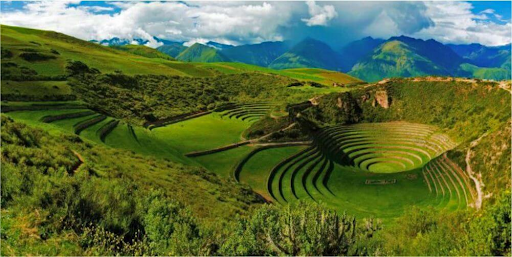
Some extended Sacred Valley tours incorporate additional sites worth considering if time permits. Moray features circular agricultural terraces creating distinct microclimates, functioning as an Incan agricultural laboratory. The salt mines at Maras showcase thousands of individual pools cascading down the mountainside, harvesting salt through evaporation methods used since pre-Inca times.
For travelers with multiple days, staying overnight in the Sacred Valley rather than returning to Cusco offers advantages. The valley’s lower altitude provides better sleep quality, positions you closer to Ollantaytambo for early Machu Picchu trains, and allows more leisurely exploration. Numerous hotels range from backpacker hostels to five-star resorts with spa facilities and gourmet restaurants.
Respecting Local Communities
The Sacred Valley of the Incas full-day tour from Cusco isn’t merely an outdoor museum but home to indigenous communities maintaining cultural traditions while adapting to tourism’s economic realities. Respectful travel practices enhance experiences while supporting residents. Always ask permission before photographing people many appreciate small tips in exchange. Purchase handicrafts directly from artisans rather than intermediary shops. Avoid contributing to sites’ degradation by staying on marked paths and never touching or climbing on archaeological structures.
Learning basic Quechua phrases demonstrates respect for indigenous heritage. Simple greetings like “Allillanchu” (hello) or “Sulpayki” (thank you) delight locals and acknowledge that you’re visiting their homeland, not simply a tourist attraction.
Conclusion
A c delivers a comprehensive introduction to the region that formed the Inca Empire’s agricultural and spiritual foundation. The combination of spectacular archaeological sites, vibrant markets, stunning Andean scenery, and living indigenous culture creates experiences far richer than any single element could provide alone.
While one day merely scratches the surface of this historically complex and geographically diverse region, a well-planned tour illuminates the ingenuity, sophistication, and spiritual depth of Andean civilization. The valley’s treasures reveal that the Incas were master engineers, astronomers, agriculturalists, and artists whose achievements continue inspiring wonder centuries after their empire’s fall.
For anyone visiting Cusco with intentions to see Machu Picchu, the Sacred Valley tour represents an essential component of understanding the broader Incan world. It provides context that makes the famous citadel more meaningful, demonstrates the civilization’s scope beyond one remarkable site, and offers intimate encounters with descendants who proudly maintain ancestral traditions.
Frequently Asked Questions
How does the Sacred Valley tour differ from visiting Machu Picchu?
The Sacred Valley tour focuses on multiple archaeological sites, traditional markets, and living communities throughout the valley, offering broader cultural context. Machu Picchu concentrates on one spectacular but isolated site. The Sacred Valley provides insights into Incan daily life, agriculture, and urban planning, while Machu Picchu showcases ceremonial and elite architecture. Both experiences complement each other. The valley tour helps you understand the civilization that built Machu Picchu.
Is the altitude in the Sacred Valley better than Cusco?
Yes, the Sacred Valley sits 600-700 meters lower than Cusco, making altitude effects less pronounced. Many travelers find breathing easier and experience fewer altitude sickness symptoms. However, Chinchero sits higher than Cusco, so some locations within the tour reach significant elevations. The varied altitudes actually help acclimatization for those planning Machu Picchu visits.
Can I visit these sites independently without a tour?
Absolutely, though it requires more planning and time. Public transportation (colectivos) connects sites, but schedules can be irregular and language barriers exist. Independent travel offers flexibility but sacrifices the historical context professional guides provide. Tours also eliminate logistical concerns about transportation timing, entrance tickets, and navigation between locations.
What’s the best day of the week for a Sacred Valley tour?
Sunday offers the most vibrant markets, particularly in Pisac and Chinchero, where locals conduct traditional commerce. However, Sundays also attract larger crowds. Tuesday and Thursday provide good balances markets remain active but crowds are smaller. Archaeological sites are less affected by day of the week, maintaining consistent visitor numbers throughout.
Should I take this tour before or after visiting Machu Picchu?
Before is generally recommended. The Sacred Valley tour provides historical and cultural context that enriches your Machu Picchu experience. Understanding Incan agricultural systems, architectural techniques, and religious practices helps you appreciate what makes Machu Picchu special. Additionally, the valley’s lower altitude aids acclimatization, preparing your body for higher-elevation activities.
