


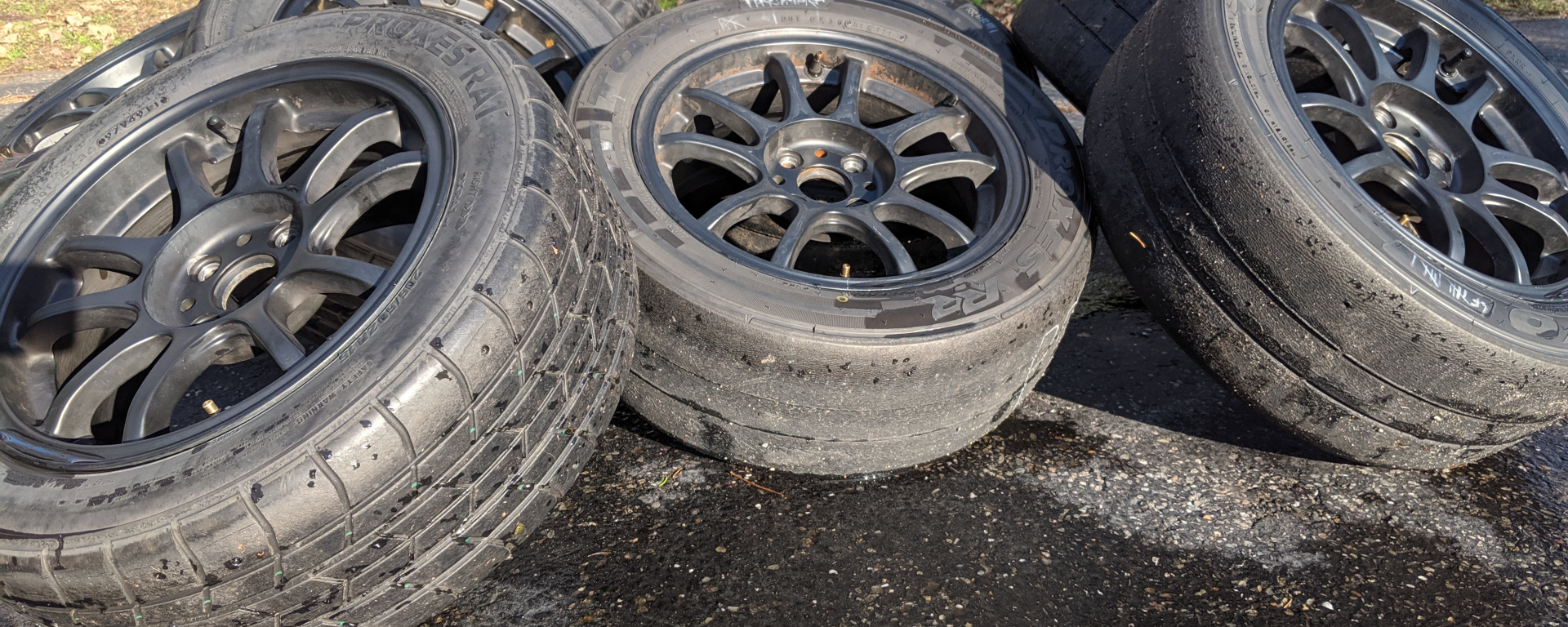
Whether you’re a professional racer, weekend track enthusiast, or a motorsports hobbyist, understanding the lifespan of race tires is crucial for both performance and safety. Race tires are engineered for maximum grip, precision handling, and responsiveness at high speeds, but unlike street tires, they wear out much faster. Knowing how many laps you can squeeze out of them before performance drops—or before they become unsafe—is essential. If you’re looking to save costs without compromising performance, purchasing used race tires for sale can be an attractive option. But how do you evaluate how long they’ll last? Let’s dive deep into the factors that affect race tire lifespan, how to monitor tire wear, and tips to get the most out of your investment.
Key Highlights
- Race tires have significantly shorter lifespans than street tires due to extreme performance demands.
- Tire life depends on several factors: compound, track type, driving style, weather, and maintenance.
- Most used race tires can last anywhere from 50 to 150 laps, but this varies widely.
- Understanding tread wear, temperature, and sidewall integrity is critical before reuse.
- Buying used race tires can be cost-effective but requires careful inspection to ensure safety.
Why Race Tire Lifespan Matters
In racing, every lap counts. Race tires are designed to maximize traction, cornering ability, and braking performance. However, these benefits come at the cost of longevity. Unlike regular tires that last tens of thousands of miles, high-performance race tires degrade rapidly due to friction, heat, and stress. Using tires beyond their effective lifespan not only compromises lap times but also increases the risk of tire failure—a serious safety concern on the track.
Understanding tire lifespan also impacts budget planning, especially if you are considering used tires. Many racers turn to used race tires for sale as a cost-effective alternative to buying brand-new tires for every event. Used tires can still deliver competitive performance if their remaining life is carefully evaluated. But the question remains: how many laps can you really get from used race tires?
Factors Affecting the Lifespan of Race Tires
Several interrelated factors determine how long race tires last. Let’s break them down:
1. Tire Compound
The tire compound refers to the rubber formulation used to make the tire. Softer compounds provide superior grip and faster lap times but wear out more quickly. Harder compounds last longer but offer slightly less traction.
- Soft Compounds: High grip, rapid wear. Ideal for short, fast sessions. Can degrade significantly in 30–60 laps.
- Medium Compounds: Balanced grip and durability. Often last 80–120 laps depending on conditions.
- Hard Compounds: Lower grip but high durability. Can last 150+ laps, suitable for endurance racing.
When purchasing used race tires, it’s crucial to know the original compound, as this dictates the remaining effective life.
2. Track Type and Surface
Not all tracks are created equal. Smooth asphalt tends to be easier on tires, while abrasive surfaces can wear tires out faster. High-speed tracks with tight corners generate more heat and friction, accelerating tread degradation.
- Abrasive Tracks: High wear; tires may last 50–70 laps.
- Smooth Tracks: Lower wear; tires may last 100–150 laps.
- Wet Conditions: Water reduces friction but can cause uneven wear due to slippage.
Race tire lifespan is often reported in terms of laps on a “standard track,” but you should adjust expectations based on your specific circuit.
3. Driving Style
Aggressive driving shortens tire life. Hard braking, rapid acceleration, and high-speed cornering all generate heat and stress, which degrade the rubber faster. A smooth, calculated driving style conserves tires, extending their lifespan.
- Aggressive Driving: Reduced lifespan; more frequent replacement needed.
- Conservative Driving: Extends lifespan; fewer laps per set of tires.
Professional drivers often modify their style to preserve tires, especially in endurance events where pit strategy is involved.
4. Tire Pressure and Maintenance
Proper tire pressure is critical for consistent wear and optimal performance. Overinflated tires can reduce contact with the track, leading to uneven wear in the center. Underinflated tires flex excessively, generating heat and wearing the edges faster.
- Regularly check pressure before and during track sessions.
- Rotate tires if the setup allows, particularly in practice sessions.
- Inspect tires for cuts, blistering, and sidewall cracks, especially when using used race tires for sale.
5. Temperature and Weather Conditions
Tire performance is highly temperature-dependent. Cold tires grip less, causing sliding and uneven wear. Overheating tires degrade rapidly, forming flat spots and losing structural integrity.
- Cold Conditions: Tires take longer to reach optimal temperature; wear can be uneven.
- Hot Conditions: Rubber softens, increasing lap performance but reducing total lifespan.
Monitoring track temperature and adjusting tire pressures accordingly can help maximize life.
How Many Laps Can You Get from Race Tires?
There’s no universal answer, as tire lifespan varies with the factors mentioned above. However, general benchmarks exist:
| Tire Type / Compound | Typical Lifespan (Laps) | Notes |
| Soft Compound Racing Tires | 30–60 laps | High grip, fast wear; often used in sprints |
| Medium Compound Tires | 80–120 laps | Balanced performance and durability |
| Hard Compound Tires | 120–150+ laps | Suitable for endurance and aggressive tracks |
| Used Race Tires | 50–100 laps | Depends on previous usage and care |
For used race tires, you may expect 50–100 laps, but this is highly dependent on prior wear and storage conditions. A tire that was pushed hard in its first lifecycle may only provide 50 laps safely, whereas lightly used tires could last closer to 100 laps.
Signs Your Race Tires Are Worn
Before pushing your tires to the limit, it’s important to inspect them for wear signs:
- Tread Wear: Slick tires may not have tread patterns, but visual inspection can reveal smooth spots or uneven wear.
- Flat Spots: Hard braking can cause flat spots, reducing grip and making the tire unsafe.
- Sidewall Damage: Cracks or cuts can compromise tire integrity.
- Blistering: Heat-induced bubbles indicate overstressed rubber, reducing performance.
- Loss of Grip: If your lap times increase despite consistent driving, tires may be past their optimal life.
Used race tires should be carefully evaluated for all of these signs before putting them on the track.
Maximizing the Life of Race Tires
Even high-performance tires can be stretched if handled properly. Here are strategies:
- Rotate Tires: If regulations allow, rotating front and rear tires helps even out wear.
- Mind Track Conditions: Avoid unnecessarily harsh driving on abrasive surfaces.
- Monitor Pressure: Check and adjust before each session.
- Proper Storage: Keep tires in cool, dry conditions away from sunlight and ozone exposure.
- Heat Cycling: Proper heat cycling before racing can extend tire life by ensuring uniform wear.
By combining these practices, you can maximize the number of safe laps per tire set, making used race tires for sale a practical investment.
Are Used Race Tires Worth Buying?
Many racers, especially amateurs or semi-professionals, consider used race tires for budget reasons. The advantages include:
- Cost Savings: New tires can be expensive; used tires provide a cheaper alternative.
- Immediate Availability: You can often find specific sizes or compounds faster than waiting for a custom order.
- Competitive Performance: Lightly used tires can still offer excellent grip and handling.
However, caution is essential. Inspect for wear, ensure the tires haven’t been overused or damaged, and match the tire compound to your racing needs. Buying from reputable sellers or track teams reduces risk and ensures quality.
When to Replace Your Race Tires
Regardless of whether your tires are new or used, it’s vital to replace them at the right time. Common indicators include:
- Lap times increasing despite consistent driving.
- Visible rubber degradation (flat spots, blistering, or cracks).
- Tires losing heat retention or pressure consistency.
- Unsafe handling in corners or during braking.
Waiting too long can compromise safety and reduce performance, negating any cost savings from using tires beyond their lifespan.
Conclusion
Race tires are a high-performance, high-maintenance investment. Their lifespan depends on a combination of compound, track conditions, driving style, temperature, and care. For those considering used race tires for sale, careful inspection and proper management can provide many laps of competitive performance at a fraction of the cost. Understanding tire wear patterns, monitoring lap performance, and replacing tires when needed ensures both safety and the best possible track results.
Whether you’re a professional racer or weekend enthusiast, respecting the lifespan of your tires is key to consistent, safe, and competitive performance. With the right knowledge, used race tires can be an excellent addition to your motorsports strategy, maximizing value without sacrificing performance.
