


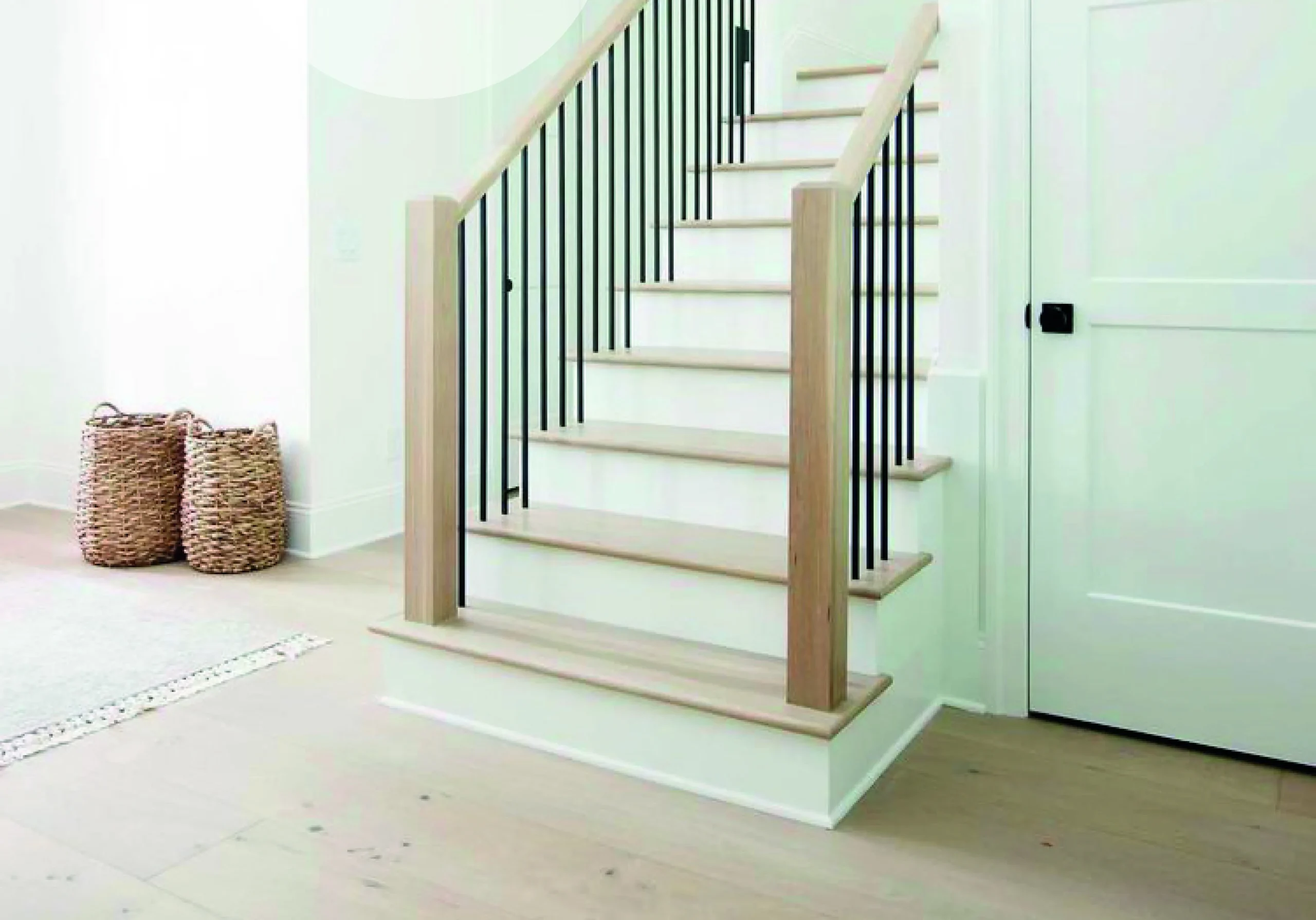
In the realm of premium home renovations, few materials have seen such a meteoric rise in popularity as White Oak. Once a staple of traditional European craftsmanship, this resilient hardwood has become the centerpiece of modern architectural trends, from minimalist Scandinavian aesthetics to the rugged elegance of “Modern Farmhouse” designs. When homeowners transition from carpeted stairs to solid wood, the selection of white oak stair treads offers a unique combination of structural integrity, neutral color palettes, and long-term durability that other species struggle to match. As a high-traffic focal point of the home, the staircase demands a material that is as functional as it is beautiful, making White Oak the premier choice for discerning property owners and interior designers alike.
The Botanical Advantage: Durability and Density
The preference for White Oak (scientific name Quercus alba) over its more common relative, Red Oak, is rooted in its biological structure. White Oak is a closed-grain wood, characterized by tyloses—tiny, bubble-like structures that plug the wood’s vascular tubes. This makes the wood nearly impervious to water and decay, which is why it has historically been used in ship-building and wine barrels. In a domestic setting, this translates to a staircase that is exceptionally resistant to the moisture and cleaning agents of daily life. Furthermore, with a Janka Hardness rating of 1,360, White Oak provides a dense, impact-resistant surface that can withstand the heavy foot traffic, pet claws, and moving furniture typical of a busy household without easily denting or splintering.
Aesthetic Versatility: The “Cool” Toned Hardwood
Perhaps the most significant reason for the current White Oak trend is its color profile. Unlike Red Oak, which carries strong pink or amber undertones that can conflict with modern gray or “greige” paint schemes, White Oak naturally exhibits a palette of wheat, tan, and light brown. Its subtle, linear grain pattern provides a more sophisticated and less “busy” look than many other hardwoods. This neutral base allows for incredible versatility in finishing. Whether a homeowner desires a “natural” look achieved with a clear matte sealer or a deep, cerused finish that highlights the grain in white or black, White Oak accepts stains predictably and evenly. It is particularly effective for achieving the “naked wood” look that is currently dominating high-end interior design magazines.
Structural Integrity: Full Treads vs. Retro-Fits
When choosing White Oak for a stair remodel, homeowners must decide between two primary installation methods:
- Solid 1-1/16″ Treads: These are the gold standard for new construction or total tear-outs. They offer a massive, structural feel and can be sanded and refinished multiple times over a century.
- Retro-Fit Treads: For those removing carpet from a pre-existing staircase, retro-fit treads are a game-changer. These are designed with a thin body and a full-thickness nosing, allowing them to fit over an existing sub-tread. Using White Oak in a retro-fit application allows for a luxury look without the astronomical labor costs of a total structural demolition.
Environmental Stability and Sustainability
White Oak is a domestic hardwood primarily sourced from the Appalachian region and the Midwestern United States. Because it is a slow-growing tree with a long lifespan, the wood it produces is remarkably stable. Properly kiln-dried White Oak treads are less prone to the warping, cupping, or “checking” (cracking) that can plague softer or more moisture-sensitive species. From a sustainability standpoint, choosing domestic White Oak supports responsible forestry practices within the United States, reducing the carbon footprint associated with importing exotic timber and ensuring that the materials used in your home meet stringent environmental regulations.
The Economics of an Upgraded Staircase
From a real estate valuation perspective, a White Oak staircase is often viewed as a “luxury upgrade.” Because it is a premium material, it signals to future buyers that the home was built or renovated with an emphasis on quality and longevity. Unlike carpet, which requires replacement every 5–10 years, or cheaper laminate overlays that can peel or chip, solid White Oak treads are a permanent architectural feature. They are hypoallergenic, easy to maintain, and possess a timeless appeal that transcends fleeting decor trends, ensuring that the investment made today will remain relevant for decades.
Maintenance: Preserving the Natural Luster
Maintaining White Oak is remarkably simple, provided the correct finish is applied. Most modern professionals recommend a water-based polyurethane or a hard-wax oil finish. These finishes preserve the natural, light color of the wood without the “yellowing” effect associated with oil-based polyurethanes. Regular sweeping to remove abrasive grit and the occasional use of a pH-neutral wood cleaner are generally all that is required to keep the grain vibrant and the surface protected.
Achieving a professional-grade staircase requires a synthesis of high-quality raw materials and precision milling. Because White Oak is a dense and valuable timber, precision in the cutting and nosing process is essential to prevent waste and ensure a seamless installation. Sourcing your components from a specialized manufacturer ensures that the grain match and moisture content are consistent across every step of your flight. By selecting your materials from Wood Stair Co., you are investing in American craftsmanship and the highest-grade White Oak available on the market. Whether you are aiming for a classic traditional look or a cutting-edge contemporary design, let the enduring beauty of White Oak be the foundation of your home’s vertical movement.
