


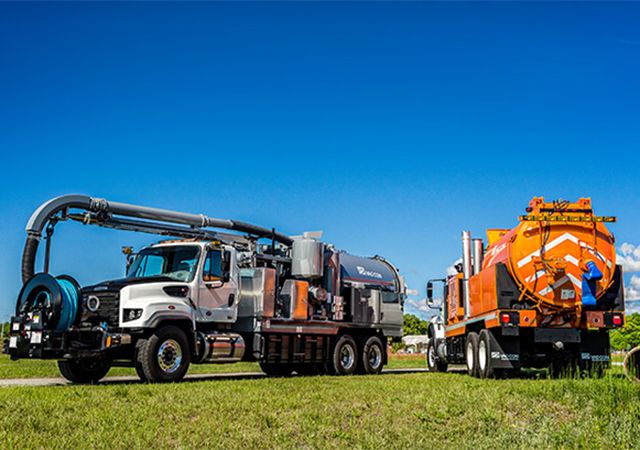
Excavation is a critical part of construction, utility maintenance, and infrastructure development, but traditional digging methods can be slow, risky, and disruptive. Enter hydrovac excavation companies —a modern solution that combines high-pressure water and powerful vacuum systems to remove soil with unparalleled precision. These specialized vehicles are transforming the excavation industry by improving efficiency, reducing damage, and enhancing safety across a wide range of projects.
Contents
ToggleWhat Is a Hydrovac Truck?
A hydrovac truck, also known as a vacuum excavation truck, uses a combination of pressurized water and suction to safely excavate soil, gravel, or other materials. Unlike traditional mechanical excavation, hydrovac technology allows operators to expose underground utilities and structures without the risk of damaging them.
Key components include:
-
High-pressure water system: Loosens soil and debris without aggressive digging.
-
Industrial vacuum system: Quickly removes the loosened material and stores it in a debris tank for safe disposal.
-
Operator controls: Allow precise excavation in tight or sensitive areas.
Advantages of Hydrovac Excavation
1. Precision and Accuracy
-
Hydrovac trucks can dig around underground utilities, pipes, and cables without causing damage.
-
Ideal for urban environments where utility lines are densely packed.
-
Reduces the risk of costly repairs and service interruptions.
2. Safety
-
Minimizes risk to workers by reducing the need for manual digging near electrical, gas, or water lines.
-
Less soil displacement lowers the likelihood of cave-ins or collapses.
3. Efficiency and Speed
-
Excavation is faster than traditional methods in many scenarios.
-
High-volume vacuum systems remove soil quickly, allowing projects to stay on schedule.
4. Environmentally Friendly
-
Hydrovac excavation produces less soil disturbance and waste.
-
Reduces the need for heavy machinery, lowering fuel consumption and emissions.
5. Versatility
-
Suitable for a variety of applications, including utility maintenance, potholing, daylighting, debris removal, and emergency repairs.
-
Works effectively in cold or wet conditions where traditional excavation can be challenging.
Applications Across Industries
1. Utility Installation and Maintenance
-
Safely exposes underground pipelines, cables, and fiber optics.
-
Minimizes service disruptions for gas, water, and telecommunications networks.
2. Construction Projects
-
Excavates precise holes for foundations, footings, or drainage systems.
-
Reduces the need for manual labor and heavy equipment in sensitive areas.
3. Emergency and Environmental Response
-
Quickly removes soil or debris in emergency repairs or environmental remediation.
-
Ideal for accessing buried utilities after storms or construction accidents.
4. Municipal and Landscaping Projects
-
Efficiently clears soil for tree planting, sidewalk installation, or stormwater management systems.
-
Maintains surrounding infrastructure intact without unnecessary damage.
Best Practices for Hydrovac Excavation
-
Pre-Project Assessment: Identify underground utilities and soil conditions before excavation.
-
Trained Operators: Ensure skilled technicians handle the truck to maximize precision and safety.
-
Proper Maintenance: Regular inspection of water pumps, vacuum systems, and debris tanks prevents downtime.
-
Site Safety Measures: Use protective barriers and follow municipal guidelines for excavation zones.
Conclusion
Hydrovac trucks are revolutionizing the excavation industry by combining precision, safety, and efficiency in ways traditional digging methods cannot match. From utility maintenance to construction and emergency response, these trucks provide a modern solution for projects that demand accuracy and minimal disruption. By embracing hydrovac technology, contractors and municipalities can save time, reduce costs, and protect both workers and infrastructure, proving that precision in excavation is not just a luxury—it’s a necessity.
