


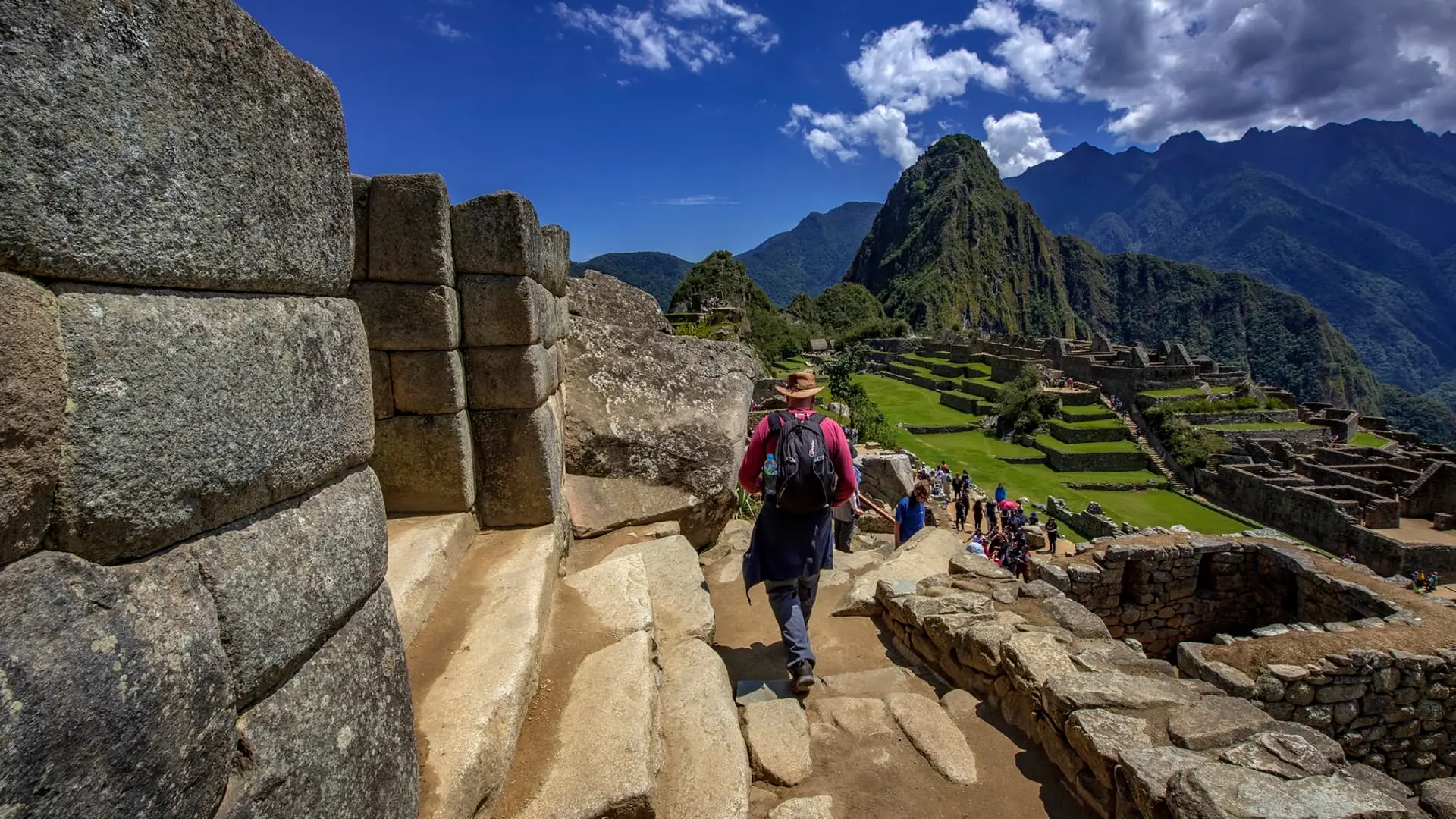
Travel Experiences Across Peru, a singular image often dominates their imagination: the mist-shrouded ruins of Machu Picchu. While this Wonder of the World is undeniably magnificent, relying on it as the sole highlight of a trip is a missed opportunity. Peru is a country of staggering diversity, where arid deserts crash into the Pacific Ocean, snow-capped peaks give way to steamy jungles, and ancient traditions blend seamlessly with modern gastronomy.
For a travel itinerary or a vacation package to truly stand out, it needs to embrace the full spectrum of what this Andean nation offers. It isn’t just about seeing ruins; it is about tasting the acidity of a fresh lime in a ceviche, feeling the thin air of the Altiplano, and hearing the roar of howler monkeys at dawn.
To create a journey that resonates deeply, you must look beyond the standard postcard snapshots. Here is how to elevate a Peruvian adventure by incorporating diverse, immersive, and unforgettable experiences across the country.
The Gastronomic Revolution in Lima
For years, Lima was considered merely a stopover—a foggy, chaotic city where travelers landed before rushing off to Cusco. That narrative has shifted dramatically. Today, Lima is the culinary capital of South America and home to several of the world’s top-ranked restaurants.
To make a trip memorable, you must engage with the food scene. This goes beyond booking a table at a Michelin-starred establishment. It involves wandering the markets of Surquillo to see fruits you’ve never heard of, like lúcuma or chirimoya. It means understanding the fusion cultures that built Peruvian cuisine.
Nikkei and Chifa
Peruvian food is a melting pot. Two standout styles are Nikkei (Japanese-Peruvian fusion) and Chifa (Chinese-Peruvian fusion). Experiencing a high-end Nikkei dinner, where fresh Pacific catch meets delicate Japanese techniques, offers a flavor profile found nowhere else on earth. Highlighting these unique cultural intersections adds depth to the travel experience, proving that Peru is a destination for the palate as much as for the eyes.
The Living Culture of the Sacred Valley
While Cusco is the historic capital, the Sacred Valley offers a more pastoral and immersive look at Incan heritage. The key here is to move past the “ruin-hopping” mentality and engage with living culture.
The town of Pisac is famous for its market, but the real magic lies in the smaller communities. Weaving demonstrations in Chinchero allow visitors to see how alpaca wool is dyed using natural elements like insects, moss, and flowers. It is a tactile experience that connects the visitor to centuries of tradition.
The Salt Mines of Maras
Visually, few things compare to the Salineras de Maras. thousands of shallow pools carved into the mountainside, filled with saltwater from a subterranean stream. These mines have been in use since pre-Incan times. Walking along the edge of these blindingly white terraces against the backdrop of brown mountains creates a striking visual contrast that defines the unique landscape of the Andes.
Venturing into the Amazon Basin
The Amazon Rainforest covers nearly 60% of Peru, yet it often plays second fiddle to the Andes in standard itineraries. Including the Amazon adds a layer of wild biodiversity that completely changes the tone of a trip.
There are two primary gateways: Iquitos in the north, accessible only by boat or plane, and Puerto Maldonado in the south.
Puerto Maldonado and Tambopata
For those already visiting Cusco, Puerto Maldonado is a short flight away. This region offers accessibility to the Tambopata National Reserve. Here, the experience is auditory and visceral. Travelers can take boats up muddy rivers to stay in eco-lodges that merge luxury with nature.
The standout activity here is visiting a clay lick. Watching hundreds of colorful macaws and parrots descend upon a clay wall to feed at sunrise is a National Geographic moment brought to life. It emphasizes the raw, untouched nature of the Peruvian wilderness.
The Mystery of the Desert Coast
One of the most surprising aspects of Peru is its desert coast. South of Lima, the landscape becomes arid and dramatic, offering experiences that feel more like the Middle East or the Galapagos than the Andes.
Paracas and the Ballestas Islands
Often called “The Poor Man’s Galapagos,” the Ballestas Islands are teeming with life. A boat tour here reveals colonies of sea lions, Humboldt penguins, and thousands of sea birds. It is an accessible way to witness marine wildlife without the high cost or logistical challenges of the Galapagos.
Huacachina Oasis
Just a short drive from the coast lies Huacachina, a tiny village surrounding a natural desert oasis, framed by massive sand dunes. This is the playground for adrenaline junkies. Dune buggies roar across the sand like something out of Mad Max, and sandboarding down the slopes offers a thrill unique to this specific geography. It provides a high-energy counterpoint to the slower, historical pace of the Sacred Valley.
Lake Titicaca and the Floating Islands
High in the Altiplano, sitting at over 3,800 meters (12,500 feet) above sea level, is Lake Titicaca. The sheer altitude makes the light crisp and the water an intense, deep blue.
The Uros Islands are the most famous draw here. These are man-made islands constructed entirely from totora reeds that grow in the shallows. The Uros people live, build their homes, and construct their boats from these reeds. While it is a popular tourist stop, the engineering and lifestyle are fascinating.
For a deeper connection, travelers can venture further to Taquile or Amantaní islands. These natural islands are home to communities known for their knitting and textile art, recognized by UNESCO. Staying in a homestay here allows for a genuine cultural exchange, sharing meals and stories with local families.
Trekking Beyond the Inca Trail
The Inca Trail is iconic, but permits sell out months in advance, and the crowds can be overwhelming. To make a Peruvian adventure stand out, consider the alternatives that offer solitude and equally stunning views.
The Salkantay Trek
This route is more physically demanding than the Inca Trail but offers a greater variety of ecosystems. You hike beneath the massive Salkantay mountain, pass through cloud forests, and traverse coffee plantations. It appeals to those seeking a rugged challenge.
Vinicunca (Rainbow Mountain)
A few years ago, this mountain was covered in snow and unknown to tourism. Today, the mineral-streaked, multi-colored ridges of Vinicunca are an internet sensation. It is a challenging high-altitude day hike, but the visual payoff is surreal. Including this—or the alternative Palcoyo mountain—adds a splash of vibrant color to the itinerary that looks incredible in photos and feels even more impressive in person.
Frequently Asked Questions
When is the best time to visit Peru?
The dry season runs from May to October, which is ideal for trekking and visiting Cusco and Machu Picchu. However, this is also peak tourist season. The shoulder months of April and November can offer a good balance of decent weather and fewer crowds.
Is altitude sickness a real concern?
Yes, especially in Cusco, Lake Titicaca, and the Colca Canyon. It is recommended to spend a few days acclimatizing, drink plenty of water, and avoid heavy meals upon arrival. Many travelers choose to head straight to the Sacred Valley (which is lower than Cusco) to adjust more gently.
Is Peruvian food safe to eat?
Travel Experiences Across Peru culinary scene is high quality, but travelers should be cautious with street food and tap water. Stick to bottled or filtered water. In reputable restaurants, salads and raw fish (ceviche) are generally safe and delicious.
Crafting the Ultimate Journey
Peru is not a destination to be rushed. It is a country that rewards those who look deeper and venture further. By combining the culinary excellence of Lima, the ancient mystique of the Andes, the biodiversity of the Amazon, and the adrenaline of the desert, you create a narrative that is rich and multifaceted.
A truly standout product or itinerary doesn’t just check off boxes; it elicits emotion. It’s the thrill of the dune buggy, the taste of fresh cacao in the jungle, and the awe of an ancient stone wall. These are the travel experiences across Peru that turn a simple vacation into the trip of a lifetime.
