


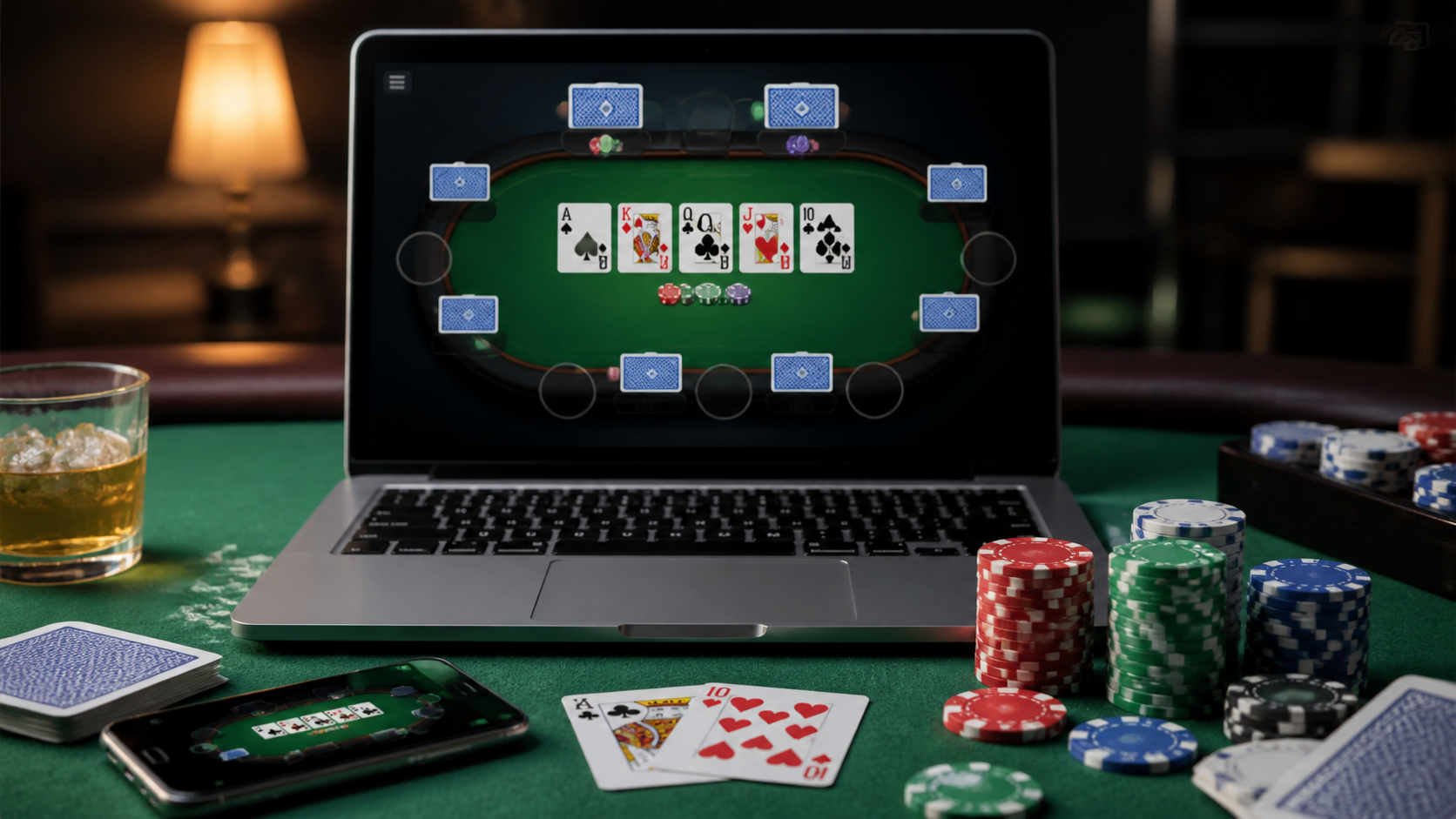
Online poker has become one of the most recognizable card games in the digital casino space because it combines strategy, patience, and adaptability in a way that few other games do. Unlike games that rely mainly on a single spin or a single draw, poker rewards players who pay attention to patterns, bet sizing, position, and timing. That makes it appealing to readers who want more than simple chance-based entertainment. It also means that a good approach is less about chasing dramatic wins and more about making steady, informed decisions across many hands.
For many players, the first step is learning how the online environment changes the feel of the game. Tables move faster, decisions arrive more quickly, and the number of hands you see in a session can be much higher than in a live room. That pace can be exciting, but it also creates opportunities for careless play. A thoughtful approach matters just as much online as it does in person, and in some ways even more because the speed of the game can encourage habits that are hard to notice until they start affecting results.
That is why anyone looking to เล่นโป๊กเกอร์ออนไลน์ should think beyond the excitement of the cards themselves. A strong foundation includes understanding the game format, choosing tables carefully, managing bankroll limits, and keeping emotions under control. Those basics do not remove uncertainty, but they can make the experience more organized, more enjoyable, and often more consistent.
Understanding the Online Poker Environment
Online poker is not simply a digital version of the same game you might see in a physical room. The structure, timing, and available information all shape how hands unfold. In many online formats, players have less time to act, which makes pre-flop decisions and basic hand selection especially important. There is also less social reading available than in live play, so strategy tends to rely more heavily on betting patterns and position than on facial cues or table talk.
Another important difference is access to different table types. Some tables are fast and aggressive, while others are slower and more passive. Some formats reward patience and disciplined folding, while others create more frequent all-in situations. Before joining a table, it helps to think about how comfortable you are with the pace and the style of play. A table that feels too aggressive can drain a bankroll quickly if you are not prepared for it, while a very cautious table may require a different approach to build value from strong hands.
Players also benefit from treating online poker as a game of repeated decisions rather than one big moment. The best results usually come from making the right choice over and over, not from trying to force a dramatic comeback on a single hand. That mindset can reduce frustration and improve focus during longer sessions.
Choosing the Right Game Format and Table Style
One of the most practical parts of online poker strategy is selecting the format that fits your goals and experience. Not every table rewards the same style of play, and not every player is suited to the same pace. Some formats allow for deeper strategic play, while others are built around faster action and fewer decisions per hand.
Cash Games, Tournaments, and Faster Formats
Cash games usually appeal to players who prefer flexibility. You can leave a table when you want, and each chip often represents a more direct value decision. Tournaments, on the other hand, create a structured environment where survival, stack size, and stage of play matter more than in a standard cash session. Faster formats can be thrilling, but they can also reduce the time available for careful observation.
It is useful to match the format to your temperament. If you like gradual decision-making and a slower rhythm, a standard cash table may be more comfortable. If you enjoy pressure and changing stack dynamics, tournaments may feel more engaging. If you prefer a high volume of hands and do not mind a quick pace, faster tables can be appealing, though they often require sharper discipline.
Reading the Table Before You Commit
Before sitting down, look at the table’s general energy. Are players entering many pots, or are they folding often? Are bets large relative to the pot, or are they mostly small and cautious? These details can shape your own approach. A loose table may create more opportunities for value, but it can also punish weak hand selection. A tight table may require more aggression to win pots, but it may also reduce unnecessary risk.
Table selection is not about finding a perfect environment. It is about finding a setting where your current strengths have room to matter. Good judgment before the first hand can be just as useful as good play during the hand itself.
Core Strategy: Position, Hand Selection, and Bet Sizing
Strong online poker play often starts with a few fundamentals that never go out of style. Position is one of the most important. Acting later in a hand gives you more information about what other players are doing, which can improve decision-making. Players in early position usually need stronger starting hands because they must act with less information. Players closer to the button or late in the betting order often have more room to apply pressure and control the size of the pot.
Hand selection matters for the same reason. Many players get into trouble by playing too many weak or marginal hands simply because the action feels interesting. Over time, that habit can lead to difficult situations after the flop. A better habit is to enter pots with hands that have clear value or clear potential, especially when you are out of position.
Bet sizing is another area where small adjustments can make a meaningful difference. Bets that are too small may invite too many opponents into the pot, while oversized bets may scare off the hands you want to call. The right size often depends on the texture of the board, the stage of the hand, and the type of opponent. There is no universal sizing rule that works in every spot, which is why attention and flexibility matter.
- Play fewer hands from early position and widen gradually later in the order.
- Use bet sizes that match the situation, not a fixed routine.
- Pay attention to how opponents react to pressure.
- Avoid chasing every marginal draw without a clear plan.
Bankroll Discipline and Session Control
Bankroll management is one of the most overlooked parts of a healthy poker routine. Even skilled players can experience swings because poker is not resolved in a single hand or session. Setting limits in advance helps prevent emotional decisions that are driven by frustration or overconfidence. It also makes it easier to view the game as a long-term process rather than a reaction to the last pot you lost.
Session control is closely related. Online poker can make it easy to keep playing longer than intended because new hands appear so quickly. A planned stop point can help preserve focus. If your attention drops, your decision quality often follows. A short break can be more useful than trying to force concentration through fatigue.
It is also sensible to separate poker money from everyday spending. That simple habit creates clearer boundaries and reduces the risk of crossing into unhealthy play. Good bankroll discipline does not guarantee results, but it can help protect your ability to continue playing in a controlled way.
Common Mistakes and the Value of a Clear Mindset
Many online poker mistakes come from rhythm rather than knowledge. A player may understand the rules and still mismanage a session because of impatience, frustration, or overconfidence. One common error is trying to win back losses too quickly. Another is getting attached to a hand simply because it started well pre-flop. In poker, the strength of a hand can change quickly once the board develops, and stubbornness often leads to unnecessary losses.
A different mistake is ignoring the difference between good decisions and good outcomes. A smart fold can still feel disappointing if another player shows a weak hand that would have lost anyway. Likewise, a risky call can appear brilliant if it happens to work once. Over time, though, consistent decision quality matters more than short-term results. That perspective can keep emotions from taking over the session.
There is also value in simple honesty. If a table is not going well, or if your focus has drifted, it may be better to step away than to keep pushing. A calm reset can preserve both your bankroll and your confidence. The game tends to reward players who stay clear-headed and patient, especially when the pace of online action makes impulsive decisions tempting.
Final Thoughts on Building Better Online Poker Habits
Online poker becomes much more manageable when it is approached as a series of structured decisions rather than a quick route to excitement. The most useful habits are often the simplest ones: choose tables carefully, respect position, manage your bankroll, and stay aware of your mindset throughout the session. Those habits do not remove uncertainty, but they can make the game feel more controlled and more rewarding over time.
For players who want to improve, the goal is not to chase perfection. It is to create a consistent process that supports better choices hand after hand. When the pace quickens and the table gets tougher, that process becomes even more valuable. A measured approach can make online poker more enjoyable and give each session a clearer purpose.
