


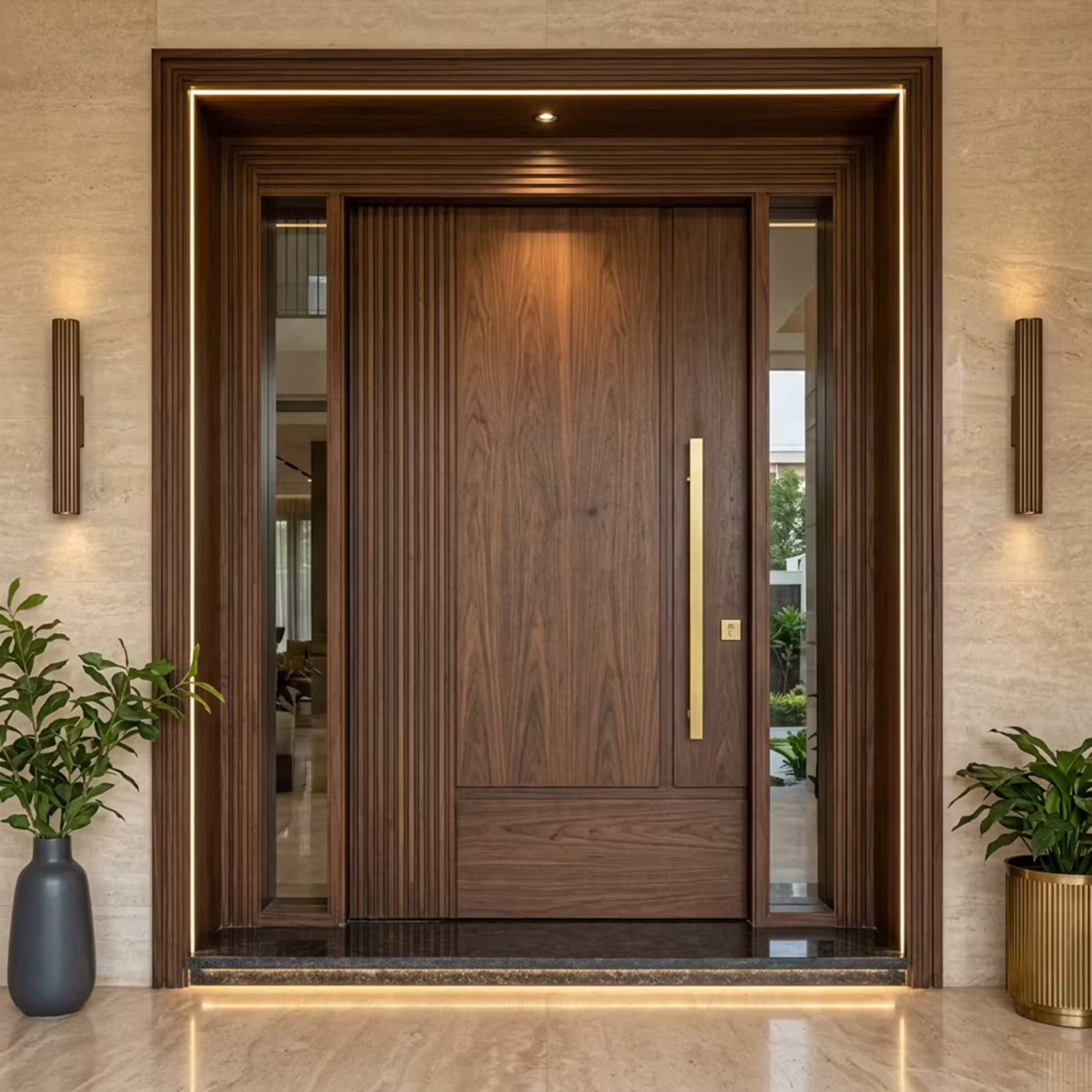
Modern homes are increasingly designed around clean lines, carefully selected materials, and details that combine beauty with practicality. Interior doors play an important role in this approach. Rather than being treated simply as functional room dividers, they can become architectural features that contribute to the character and atmosphere of an entire home.
From seamless flush designs to dramatic glass and pivot doors, today’s homeowners have many ways to introduce elegance without making an interior feel overly decorative. The best Luxury interior doors balance proportion, material quality, hardware, privacy, and the overall style of the surrounding space.
Here are seven door styles that work particularly well in contemporary and luxury homes.
1. Full-Height Flush Doors
Full-height flush doors are an excellent choice for homeowners who prefer understated luxury. Their smooth surfaces and minimal detailing create a clean architectural appearance, particularly when the door extends close to the ceiling.
A flush design can be finished in natural wood veneer, painted lacquer, matte finishes, or other refined materials. Concealed hinges and minimal handles can make the door appear almost integrated into the wall. This creates a particularly effective look in minimalist bedrooms, hallways, home offices, and living areas.
The appeal comes from simplicity. Instead of relying on decorative mouldings, the design allows the material, proportions, and finish to provide visual interest.
2. Elegant Glass Interior Doors
Glass doors are ideal for modern homes where natural light and visual openness are priorities. They can separate rooms while still allowing light to travel between spaces.
Clear glass provides the greatest sense of openness, while frosted, textured, tinted, or reeded glass can offer additional privacy. Reeded glass is particularly useful when homeowners want a decorative texture without completely blocking light.
Glass doors can work beautifully between a kitchen and dining area, a hallway and study, or a living room and home office. For a more luxurious appearance, slim frames in black, bronze, or another refined metal finish can provide a strong architectural contrast.
3. Modern Pivot Interior Doors
Pivot doors bring a dramatic architectural quality to an interior. Instead of using conventional side hinges, the door rotates around a concealed vertical pivot mechanism.
This allows designers to create larger, visually striking doors while keeping the hardware relatively discreet. A large pivot door can become a focal point between a hallway and living room or between a formal entrance and an open-plan interior.
Wood veneer, dark finishes, textured surfaces, and glass can all be incorporated into pivot designs. Their strongest advantage is their ability to combine practical movement with a statement-making appearance.
4. Slim-Framed Double Glass Doors
Double glass doors are a sophisticated way to create separation without making rooms feel closed off. Their larger opening and symmetrical appearance can also give a home a more spacious and carefully designed character.
Slim metal frames can provide a contemporary industrial influence, while bronze or warmer metallic finishes can make the same design feel softer and more luxurious.
These doors are particularly suitable for studies, dining rooms, lounges, and entertaining areas. They can define individual spaces while preserving sightlines and allowing light to pass through the home.
5. Contemporary Panelled Doors
Traditional panel doors do not have to look old-fashioned. A modern interpretation can use fewer panels, sharper proportions, wider surfaces, and simple hardware to create a sophisticated appearance.
For example, a door with two or three carefully proportioned panels can introduce subtle architectural detail while remaining compatible with contemporary interiors. Painted neutral shades can produce a calm appearance, while natural wood finishes add warmth.
Contemporary panelled doors are particularly useful in transitional homes where modern furniture and finishes need to coexist with more traditional architectural features.
6. Sliding Interior Doors
Sliding doors are an excellent option where space efficiency is important. Because the door moves sideways rather than swinging into the room, it can help make better use of compact floor plans.
Modern sliding doors can feature wood, glass, metal, or combinations of these materials. A large sliding glass door can create an open, airy connection between rooms, while a solid wood version can provide greater privacy.
Pocket sliding doors can take the minimalist concept even further by allowing the door to disappear into the wall when opened. This can be especially useful for bathrooms, dressing areas, studies, and compact rooms where conventional swing doors may interfere with furniture placement.
7. Frameless or Concealed-Frame Doors
For the ultimate minimalist effect, frameless doors can make an opening appear almost invisible when closed. The door can be finished to closely match the surrounding wall, reducing visual interruptions and creating a continuous surface.
This style works especially well in contemporary homes where architectural simplicity is a priority. A concealed-frame door can be painted in the same shade as the wall or finished with a material that complements nearby cabinetry and furniture.
The result is subtle rather than showy, which makes this style particularly appealing to homeowners who associate luxury with precision, restraint, and clean detailing. Modern frameless and invisible door systems are commonly used to create seamless architectural interiors.
Choosing the Right Luxury Interior Door Style
Selecting a door should involve more than choosing the design that looks attractive in a photograph. The door needs to suit the room, surrounding architecture, available space, privacy requirements, and amount of natural light.
For bedrooms, solid or substantial flush doors may provide the quiet, private atmosphere many homeowners want. Glass doors can be better suited to studies, dining spaces, and areas where light sharing is important. Sliding doors are useful when floor space is limited, while pivot doors are appropriate when the goal is to create a strong architectural statement.
The finish is equally important. Natural oak and walnut can introduce warmth, while matte black, soft white, charcoal, bronze, and neutral painted finishes can reinforce a contemporary aesthetic.
Hardware Can Change the Entire Look
Handles, hinges, locks, and other hardware may appear to be small details, but they can have a significant effect on the final appearance of a door.
Slim lever handles can complement minimalist doors, while long vertical pulls can work especially well with oversized pivot designs. Brushed metal finishes can provide a subtle contemporary appearance, whereas black or brass hardware can create stronger contrast.
For a truly refined interior, hardware should coordinate with other finishes throughout the home, including cabinet handles, lighting fixtures, taps, and furniture details.
Think About Privacy and Functionality
Luxury should never come at the expense of everyday practicality. A beautiful glass door may not be suitable for a bedroom if privacy is a priority, while a heavy oversized door may be unnecessary for a small closet.
Sound control is another important consideration. Bedrooms, bathrooms, offices, and media rooms may benefit from solid-core construction and appropriate seals. Rooms that need more natural light may benefit from glass or partially glazed designs.
The best door choice therefore combines appearance with the specific requirements of the room.
Create a Consistent Door Design Throughout the Home
A modern home does not necessarily need the same door style everywhere. However, using complementary materials and finishes can create a stronger sense of continuity.
For example, a home might use full-height walnut flush doors for bedrooms, slim-framed glass doors for the study, and a statement pivot door between the entrance and living area. Although the designs are different, matching wood tones, hardware finishes, or proportions can make them feel like part of one carefully planned interior.
This approach allows each room to have its own character while maintaining an overall design language.
Final Thoughts
The right interior door can be much more than a functional feature. It can influence how light moves through a home, define the relationship between rooms, add warmth or contrast, and reinforce a property’s architectural style.
Full-height flush doors offer understated elegance, glass doors maximize openness, pivot doors create drama, sliding doors save space, and frameless designs deliver an exceptionally clean aesthetic. Contemporary panelled and double glass doors provide additional options for homeowners who want character without sacrificing modernity.
When selected according to the home’s architecture, room function, materials, and personal taste, Luxury interior doors can become one of the most effective details for creating a sophisticated modern living environment.
