


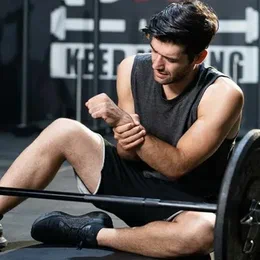
Athletes and fitness enthusiasts often push their limits to achieve peak performance. However, excessive training without proper recovery can lead to overtraining syndrome—a condition that negatively impacts both physical and mental health. If you’re experiencing persistent fatigue, declining performance, or frequent injuries, seeking Athletic Overtraining Treatment in Vancouver can be a crucial step toward recovery.
Contents
ToggleUnderstanding Athletic Overtraining
Overtraining occurs when the body is subjected to intense physical activity without adequate rest. Instead of improving performance, the body begins to break down, leading to a range of symptoms that can affect long-term health.
Common Signs of Overtraining
- Chronic fatigue and low energy
- Decreased athletic performance
- Persistent muscle soreness
- Increased risk of injuries
- Sleep disturbances
- Mood changes such as irritability or depression
Recognizing these symptoms early is key to preventing more serious complications.
Causes of Overtraining
Several factors contribute to overtraining, especially in competitive or highly motivated individuals.
Training-Related Factors
- Excessive intensity or volume of workouts
- Lack of rest days
- Poor training structure
Lifestyle Factors
- Inadequate nutrition
- Poor sleep quality
- High levels of stress outside training
Athletes in urban environments often juggle demanding schedules, making them more susceptible to these risks.
Athletic Overtraining Treatment in Vancouver
Finding effective Athletic Overtraining Treatment in Vancouver involves a comprehensive approach that addresses both physical and mental recovery. Treatment plans are typically personalized based on the severity of symptoms and individual needs.
Rest and Recovery
The most critical component is allowing the body to heal. This may involve:
- Reducing or temporarily stopping training
- Incorporating active recovery techniques like stretching or light yoga
Nutritional Support
Proper nutrition helps restore energy levels and repair muscle tissue. A balanced diet rich in protein, healthy fats, and carbohydrates is essential.
Physical Therapy and Rehabilitation
Specialized therapists can help:
- Address muscle imbalances
- Improve mobility and flexibility
- Prevent future injuries
Mental Health Support
Overtraining often affects mental well-being. Techniques such as mindfulness, stress management, and counseling can be beneficial.
Preventing Overtraining in the Future
Prevention is just as important as treatment. Athletes should adopt sustainable training habits to avoid recurring issues.
Smart Training Strategies
- Follow periodized training programs
- Schedule regular rest days
- Monitor performance and fatigue levels
Listen to Your Body
Ignoring early warning signs can worsen the condition. Adjusting workouts based on how you feel is essential.
Choosing the Right Treatment Provider
When seeking Athletic Overtraining Treatment in Vancouver, it’s important to work with qualified professionals who understand sports medicine and athlete recovery. Look for clinics or specialists who offer a multidisciplinary approach, including physical therapy, nutrition guidance, and mental health support.
Conclusion
Overtraining can derail even the most dedicated athlete, but with the right care and attention, recovery is entirely possible. Accessing professional Athletic Overtraining Treatment in Vancouver ensures a safe and effective return to peak performance. By balancing training with proper recovery and support, athletes can maintain long-term health and continue achieving their goals.
