


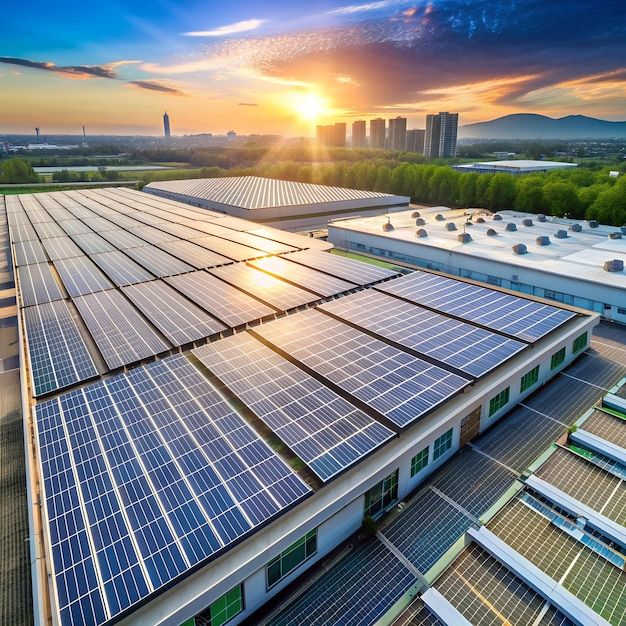
Investing in solar energy is a long-term commitment, and like any major home improvement project, protection through a comprehensive warranty is crucial. A solar installation warranty ensures that your system continues performing as promised while safeguarding you from unexpected costs related to equipment failure or installation errors. However, the solar warranty landscape can be complex—covering different components, time frames, and responsibilities. Understanding these distinctions before signing a contract is key to protecting your investment and maximizing long-term Solar Panel Installation Nottingham returns.
The Three Main Types of Solar Warranties
A complete solar warranty package typically includes three categories of coverage: the product warranty, performance warranty, and workmanship (installation) warranty. Each plays a different role in maintaining your system’s reliability and peace of mind.
-
Product (Equipment) Warranty
This warranty is provided by the manufacturer and covers defects in materials or manufacturing. It ensures that your panels, inverters, and other hardware function as intended under normal conditions.
-
Typical Coverage: 10 to 25 years
-
What It Covers: Cracked glass, frame corrosion, defective cells, or malfunctioning junction boxes.
-
What It Doesn’t Cover: Damage from improper installation, extreme weather, or lack of maintenance.
High-quality solar panel brands often offer longer and more robust product warranties, reflecting their confidence in durability and performance. When comparing products, pay close attention to the fine print—some manufacturers may replace or repair defective panels, while others only provide partial reimbursement.
-
Performance Warranty
Every solar panel gradually loses efficiency over time, but a performance warranty ensures this degradation stays within acceptable limits. Manufacturers typically guarantee that your panels will produce a specific percentage of their original power output for a set period.
-
Typical Coverage: 25 to 30 years
-
Typical Guarantee: Panels will perform at least 90% of their rated output after 10 years and around 80% after 25 years.
-
Why It Matters: This warranty provides confidence that your system will continue generating predictable energy savings well into the future.
A strong performance warranty reflects the manufacturer’s confidence in long-term reliability and helps you estimate your return on investment more accurately.
-
Workmanship (Installation) Warranty
While manufacturers cover equipment, the installation warranty is offered by the solar contractor or installer. It protects you from problems arising from improper installation, such as wiring errors, roof damage, or mounting issues.
-
Typical Coverage: 5 to 10 years, though premium installers may offer up to 25 years.
-
What It Covers: Roof penetrations, electrical work, and alignment of panels.
-
What It Doesn’t Cover: Damage caused by future home renovations, natural disasters, or tampering.
Choosing a certified and reputable installer is crucial since workmanship issues can affect system efficiency and even void manufacturer warranties if not installed according to specifications.
Additional Components and Their Warranties
Beyond panels and inverters, modern solar systems often include batteries, optimizers, and monitoring systems—each with their own warranty terms.
-
Inverters: Usually covered for 10–15 years, with extended warranty options available.
-
Batteries: Typically have 10-year or cycle-based warranties, depending on usage.
-
Monitoring Systems: Covered for 5–10 years, ensuring performance tracking remains functional.
Understanding each component’s coverage helps you plan for maintenance and potential replacement costs throughout the system’s lifespan.
Extended and Transferable Warranties
Some installers and manufacturers offer extended warranties for an additional fee, which can lengthen coverage or include replacement labor. For homeowners planning to sell their property, transferable warranties are particularly valuable—these allow the new owner to inherit the system’s protection, increasing your home’s resale appeal. Always confirm in writing whether your warranties are transferable and what steps are required to maintain eligibility.
Common Exclusions and Fine Print
Even the best warranties have exclusions. Common ones include:
-
Damage caused by severe weather, flooding, or fire.
-
Issues resulting from improper maintenance or third-party repairs.
-
Reduced performance due to shading, debris, or soiling.
-
Removal and reinstallation costs during roof replacement unless specified otherwise.
Reading the fine print is essential. A warranty’s value lies not just in its length but in its terms, coverage limits, and service process.
Claiming Warranty Service
If a problem arises, start by contacting your installer or the manufacturer’s support line. They may require documentation such as proof of purchase, performance data, or photos. Reliable companies will coordinate repair or replacement efficiently, often covering both parts and labor. Choosing installers with strong manufacturer partnerships can simplify the claims process significantly.
Why Warranty Quality Reflects Installer Reliability
A trustworthy solar installer won’t just sell panels—they’ll stand behind their work with transparent warranty terms. Reputable companies often handle warranty claims on your behalf and maintain relationships with manufacturers for faster resolution. When comparing quotes, prioritize installers offering clear, long-term workmanship warranties and proven post-installation support.
Conclusion
Understanding the solar installation warranty landscape ensures you’re protected from unexpected costs and system downtime. A robust combination of product, performance, and workmanship warranties reflects the overall quality of your solar investment. Before signing any contract, review all documents carefully, confirm coverage durations, and ask how claims are handled. In a rapidly growing solar market, the best protection comes from informed decisions—and a clear understanding of how your warranties safeguard your clean energy future.
