


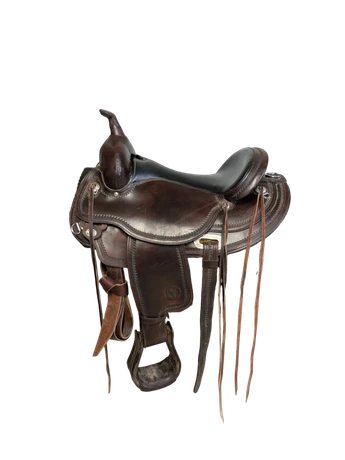
Trail riding offers a unique way to connect with horses while exploring outdoor landscapes at a comfortable pace. Whether riding through mountain paths, open fields, or local trails, having the right saddle plays an important role in creating a comfortable experience for both horse and rider.
A quality saddle does not always need to be brand new. Many riders explore used trail saddles for sale because pre-owned saddles can provide excellent craftsmanship, comfort, and value when carefully selected.
However, buying a used saddle requires more than choosing one based on appearance. Understanding saddle construction, fit, and condition can help riders make a better decision and find equipment that supports enjoyable trail rides.
Why Trail Riders Choose Used Saddles
There are several reasons riders consider pre-owned trail saddles instead of purchasing new equipment.
Access to Quality Craftsmanship
Western saddles are often made with durable materials and detailed craftsmanship. Purchasing a used saddle can allow riders to access higher-quality designs that may have been outside their budget when new.
Instead of choosing a lower-cost new saddle, some riders prefer investing in a well-maintained used option built with quality materials.
Comfortable Broken-In Leather
One advantage of a used leather saddle is that it may already have a softer feel from previous use. Properly cared-for leather can become more comfortable over time, creating a familiar feel for riders.
This does not mean every used saddle will be in perfect condition. Riders should still inspect the saddle carefully before purchase.
More Choices for Different Riders
The used saddle market often includes a variety of styles, sizes, and designs. This gives riders more opportunities to find a saddle that matches their horse, riding habits, and comfort preferences.
What Makes a Good Trail Saddle?
Trail saddles are designed for comfort and stability during recreational rides and longer journeys. The best option depends on the rider, horse, and type of terrain.
Important features include:
Rider Comfort
Trail rides can last several hours, so rider comfort is essential. A good saddle should provide proper support while allowing the rider to maintain a balanced position.
Factors to consider include:
- Seat size
- Seat depth
- Stirrup position
- Overall saddle balance
Horse Fit
A saddle must fit the horse correctly to prevent discomfort. Poor fit can create pressure points and affect the horse’s movement.
Riders should consider:
- Tree width
- Bar design
- Saddle shape
- Horse body structure
A saddle that fits one horse may not fit another, so compatibility should always be checked.
Durability
Trail riding can expose saddles to changing weather conditions and different terrain. Strong leather, quality stitching, and reliable hardware help ensure the saddle can handle regular use.
What to Check Before Buying a Used Trail Saddle
Before purchasing a pre-owned saddle, riders should inspect several important areas.
Inspect the Saddle Tree
The tree provides the foundation of the saddle. Damage to the tree can affect fit, comfort, and safety.
Check for:
- Cracks
- Structural damage
- Uneven shape
- Signs of major repairs
A strong saddle tree is one of the most important indicators of saddle condition.
Examine the Leather
Leather naturally develops character with use, but excessive damage may require costly repairs.
Look for:
- Deep cracks
- Dry or brittle areas
- Torn sections
- Excessive stretching
Minor wear is expected, but significant damage should be carefully evaluated.
Check Stitching and Hardware
Small details can reveal how well a saddle has been maintained.
Inspect:
- Stitching areas
- Buckles
- Conchos
- Cinch attachments
- Stirrup connections
Quality construction and proper maintenance can help a saddle remain useful for years.
Look at the Underside
The underside of the saddle is important for horse comfort. Check the condition of the fleece or lining and look for uneven wear.
Finding the Right Trail Saddle for Your Riding Style
Not every trail rider has the same needs.
Casual Trail Riding
For occasional weekend rides, comfort and ease of use are usually the main priorities. Riders may prefer a lightweight saddle that provides support without unnecessary bulk.
Long-Distance Trail Riding
Riders who spend many hours on the trail may prioritize:
- Extra comfort
- Balanced weight distribution
- Storage options for trail gear
Ranch and Recreational Riding
Some riders need a versatile saddle that works for both trail riding and general ranch activities. A durable Western saddle may provide flexibility for different situations.
How to Maintain a Used Trail Saddle
Proper care can extend the life of a pre-owned saddle.
Helpful maintenance habits include:
- Cleaning leather regularly
- Using appropriate leather conditioner
- Keeping the saddle dry
- Storing it away from extreme temperatures
- Checking hardware periodically
A saddle that receives consistent care can continue providing comfort and reliability.
Final Thoughts
Finding the right trail saddle requires attention to comfort, fit, and quality. Used saddles can be an excellent choice for riders who want dependable equipment while making a practical investment.
By inspecting saddle condition, choosing the right fit, and maintaining the equipment properly, riders can enjoy many comfortable miles on the trail.
For riders searching for quality pre-owned options, Saddle Up Colorado offers used saddle selections designed for different riding needs. Taking time to choose the right saddle helps create a better experience for both horse and rider on every adventure.
