


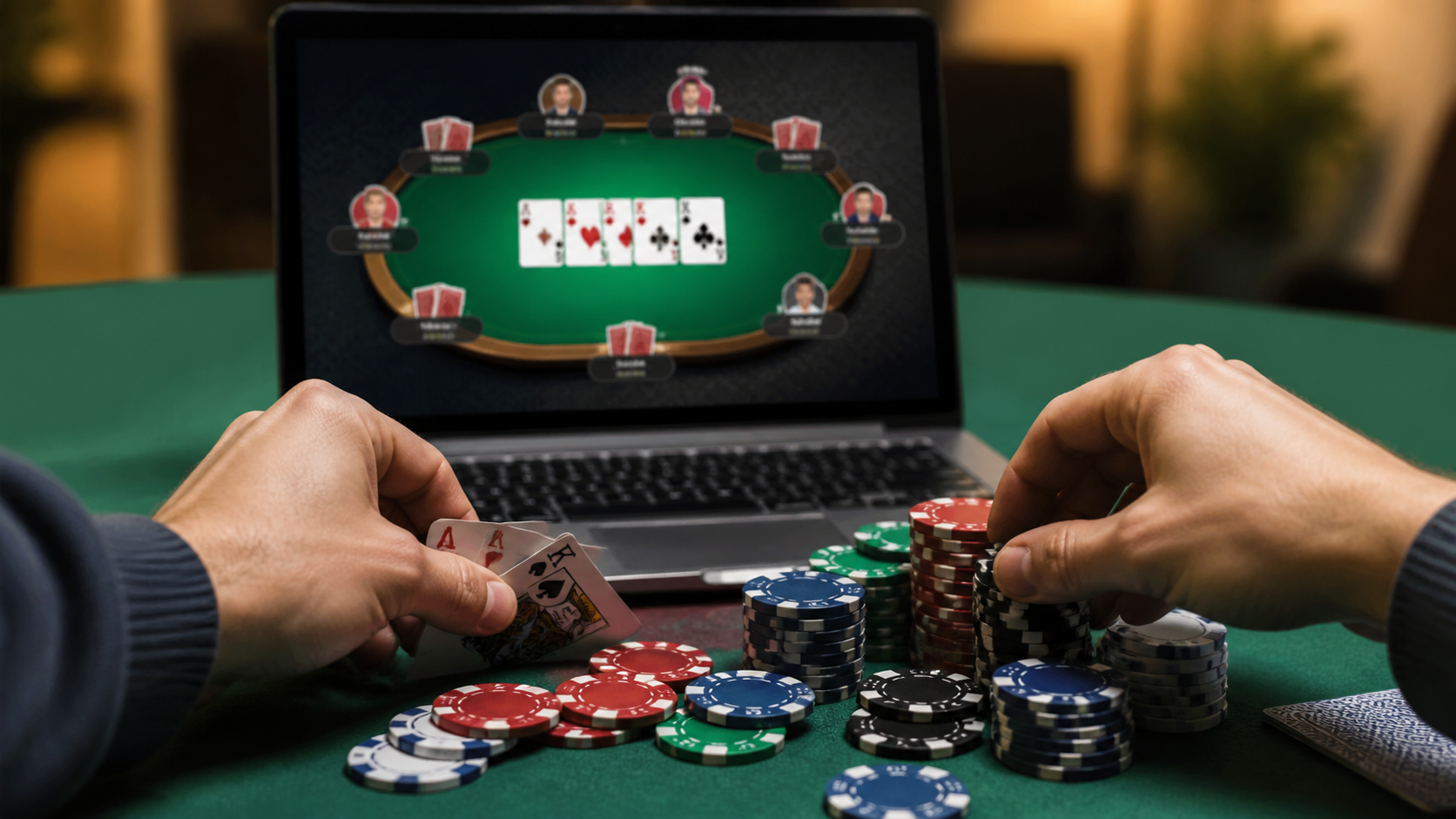
Online poker has become one of the most familiar ways to enjoy a card game that rewards patience, observation, and decision-making. Unlike casual games that rely mostly on chance, poker asks players to weigh risk, read patterns, and choose spots carefully. That mix of strategy and uncertainty is part of what keeps it interesting for newcomers and experienced players alike.
For readers exploring poker online, the appeal is usually not just the convenience of playing from home. It is also the range of formats, table speeds, stake levels, and playing styles that can shape the experience. A thoughtful approach matters, especially if the goal is to enjoy the game in a way that feels controlled, informed, and sustainable.
What Makes Online Poker Different
At its core, online poker follows the same basic rules as live poker, but the experience changes in ways that affect both pace and strategy. Hands move faster, decisions often need to be made more quickly, and there is less time to gather information from a person’s physical behavior. Instead, players rely more heavily on betting patterns, timing, and table dynamics.
That shift can make online poker feel more efficient and accessible. A player does not need to travel to a venue or wait for a seat. Tables can usually be joined from a computer or mobile device, and different game types are often available within a short search. For many people, that convenience is the main entry point.
Still, convenience should not be mistaken for simplicity. Online play can create a fast rhythm that encourages rushed decisions, especially when several tables are open at once. A careful player usually benefits from slowing down, treating each table as a separate environment, and avoiding the habit of clicking through hands automatically.
Choosing the Right Game Format
One of the main advantages of online poker is the variety of formats. A player can choose from games that fit a relaxed approach or faster sessions that demand constant attention. The right choice depends on experience level, available time, and personal comfort with variance.
Cash games and tournaments
Cash games tend to suit players who want flexibility. You can join or leave a table with more freedom, and each hand stands on its own within the stakes of that table. This format often feels more stable for players who want to focus on decision quality rather than chasing a tournament finish.
Tournaments work differently. They usually begin with a set buy-in and continue until one player has all the chips or the field is otherwise reduced. This creates a changing structure, since blind levels rise over time and chip preservation becomes more important. Tournaments can be exciting, but they also require patience and a willingness to adapt as stacks get shorter.
Table speed and player pool
Some players prefer slower tables because they allow more time to think. Others enjoy faster formats because the action comes quickly and there is less waiting between hands. Neither is inherently better. What matters is whether the pace helps or hurts your ability to make measured choices.
The size and style of the player pool also matter. A larger pool can mean more table options and more variety in opponent behavior. At the same time, it can be harder to build a sense of how a table is trending. Players who pay attention to recurring patterns often find that even a short session gives useful information.
Building Better Habits at the Tables
Good poker habits matter more online because the pace of the game leaves less room for reflection. A player who enters each hand without a plan can quickly lose track of stack sizes, position, and long-term goal. That does not mean every decision must be overly complex. It simply means that a few steady habits can improve the overall experience.
- Start with stakes that feel comfortable rather than stretching too far.
- Pay attention to position, since acting later often provides more information.
- Avoid playing too many hands just to stay active.
- Keep track of how often a table is raising, limping, or folding.
- Take breaks when focus starts to slip.
These habits are useful because they reduce avoidable mistakes. In online poker, many losses come not from dramatic blunders but from small lapses in concentration. Reaching for one more hand when tired, overvaluing weak holdings, or ignoring stack pressure can all shape a session more than people expect.
It also helps to think in terms of decisions rather than outcomes. A well-timed fold may lose the current pot but still be the right choice. Likewise, a strong bet can be correct even if an opponent happens to call with a better hand. This mindset keeps the game grounded and prevents a single result from distorting future play.
Bankroll and Session Management
Because poker involves swings, bankroll management is one of the most practical skills a player can develop. The idea is simple: choose stakes and session lengths that leave enough room for natural ups and downs. Playing too high can make even a small rough patch feel stressful, while manageable stakes can create a calmer environment for learning.
Session management matters for a similar reason. It is easy to keep playing when a session is going well, but fatigue often begins to affect judgment before a player notices it. Setting a clear stopping point can help maintain discipline. Some people prefer time-based limits, while others focus on a fixed number of hands or a preset win-or-loss threshold.
Another useful practice is reviewing sessions afterward. That does not have to mean analyzing every hand in detail. Even a brief reflection on where decisions felt rushed, where patience paid off, or where tilt started to build can reveal patterns. Over time, those observations often become more valuable than any single result.
Reading the Game Without Physical Tells
Live poker often emphasizes body language, but online poker asks players to watch different signals. Betting size, timing, and consistency matter more than facial expressions or posture. That change can be challenging at first, yet it also creates a more structured way to evaluate hands.
For example, a sudden change in betting pattern may tell you more than a random guess about an opponent’s hand. A player who acts quickly in one situation and slowly in another may be signaling uncertainty, strength, or simply a routine difference in decision-making. The key is not to treat one clue as a full answer. Online poker rewards the combination of many small observations.
Timing and sizing clues
Timing can sometimes hint at how comfortably a player is approaching a decision, but it should be read carefully. Some people always act quickly, while others take longer no matter what they hold. Betting size can also provide context, especially when it deviates from a player’s earlier pattern. These clues are useful because they add texture, not because they reveal everything.
Position and consistency
Position remains one of the most important concepts in the game. Acting later in a hand often gives more information and can make marginal decisions easier. Consistency in your own play matters too. If your betting patterns are erratic, opponents may find it easier to challenge you in spots where you would rather not be tested.
That is one reason many players benefit from having a simple strategic framework. It does not need to be complicated. A steady approach to opening ranges, continuation bets, and value hands can make choices clearer and reduce the temptation to improvise too often.
Playing Responsibly and Staying Focused
Online poker is most enjoyable when it stays balanced. That means treating it as a game that should fit your routine rather than dominate it. A responsible approach includes time management, emotional awareness, and a willingness to step away when the experience stops feeling clear-headed.
Distraction is one of the biggest challenges in online play. It is tempting to multitask, but divided attention can make it easier to miss important details. A quieter setting, fewer interruptions, and a defined session goal can all improve focus. If the game stops feeling fun or begins to feel pressured, taking a pause is often the most sensible response.
For newer players, learning slowly can be more productive than trying to master everything at once. Start with the rules, basic hand values, and simple table discipline. From there, build comfort with position, stack sizes, and opponent behavior. That steady progression is usually more useful than trying to imitate advanced play too early.
In the end, online poker works best when curiosity and discipline move together. The game offers enough variety to stay engaging, but it also rewards players who respect the pace, manage their choices, and keep their attention on the table in front of them.
